Redefining Energy, One Product at a Time
Discover high-performance solar solutions designed for efficiency, reliability, and a sustainable tomorrow
──◆ Solution ◆──
EV Charger
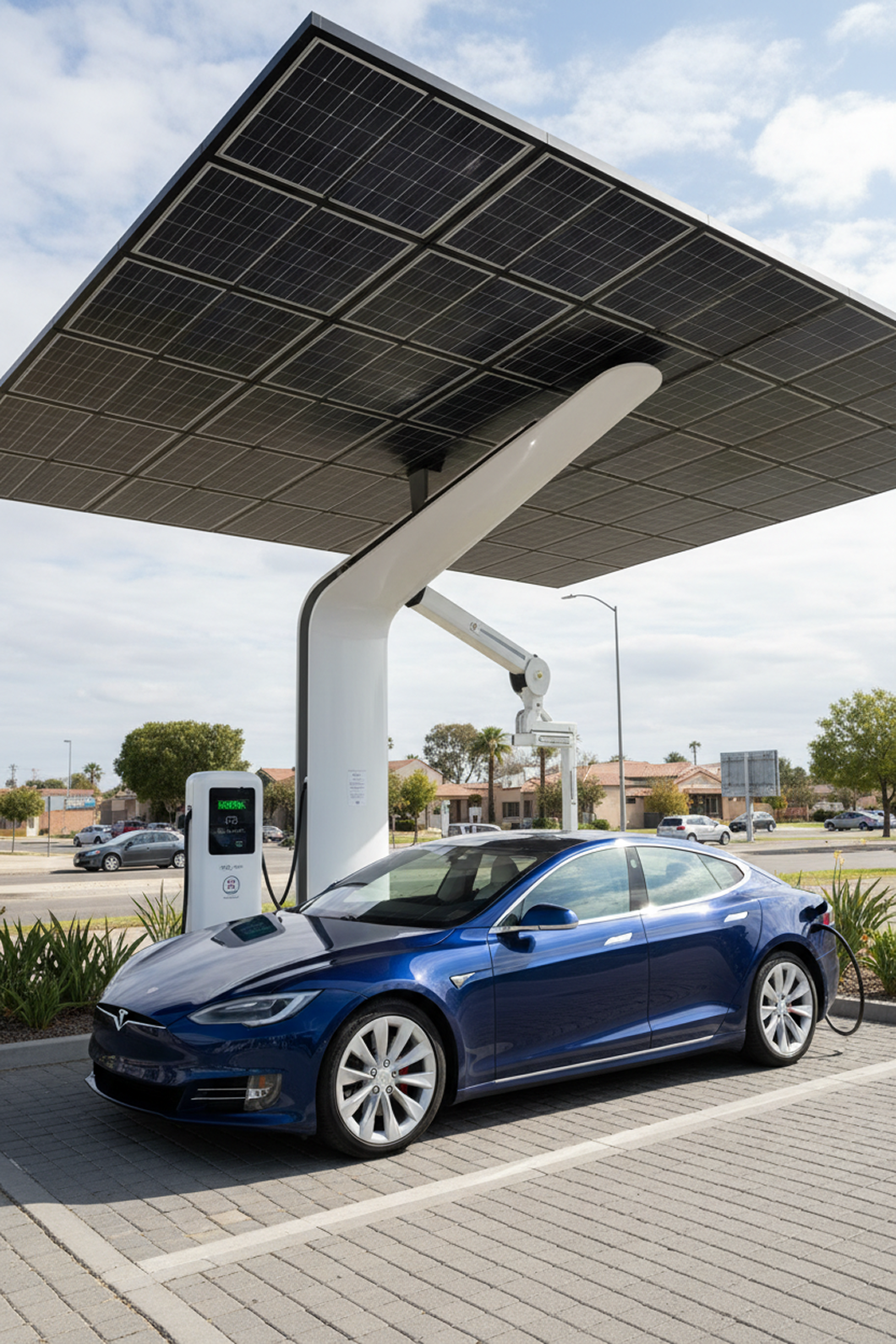
Alligator Solar delivers grid-integrated EV charging systems engineered for continuous commercial and industrial operation. These solutions combine AC and DC chargers with solar PV, hybrid inverters, and intelligent energy management to optimize power flow between vehicles, on-site loads, and the utility grid. The result is a scalable charging infrastructure that reduces peak demand, improves energy independence, and supports long-term decarbonization targets.
- Integrated architecture: EV chargers designed to work with solar PV, battery storage, and the utility grid under a unified control strategy.
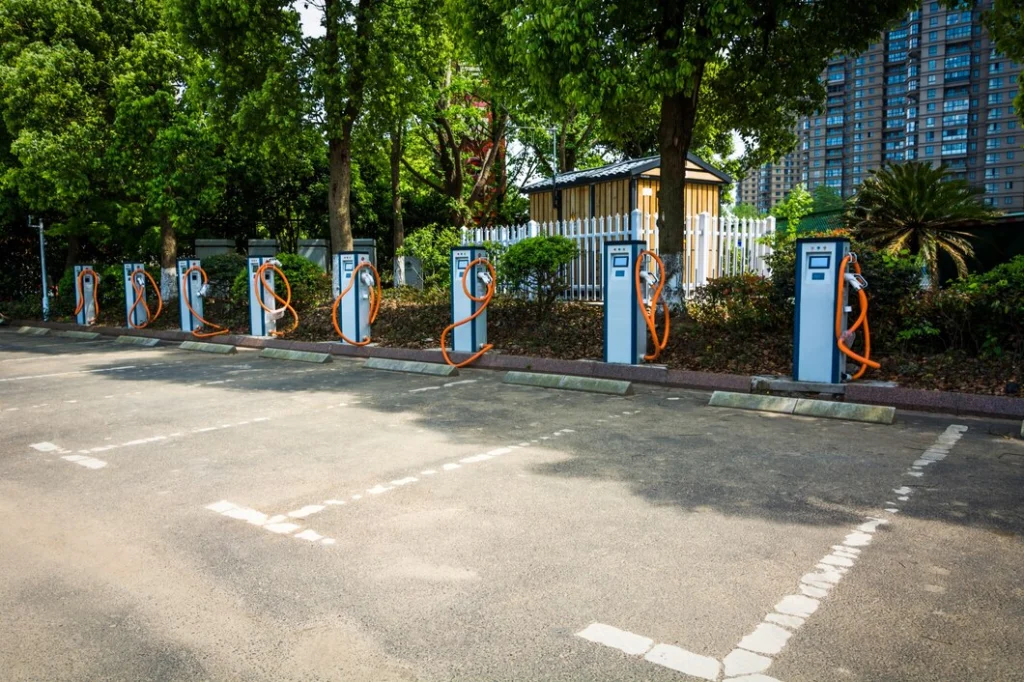
- Flexible power classes: Supports Level 2 AC and high-power DC fast charging for fleets, staff, and public users.
- Smart load management: Dynamic load sharing prevents feeder overload and optimizes power use across multiple chargers.
- Standards-compliant hardware: Chargers built to relevant EVSE standards and safety protocols for reliable field deployment.
──◆ Applications ◆──
EV Charging Applications We Power
From distributed car parks to high-throughput fleet depots, our solar-integrated EV charging systems are engineered to support diverse use cases with predictable performance.
──◆ Advantage ◆──
Why Choose Our Solar Panels
Engineered for performance, built for reliability, and designed to deliver maximum value.
strong ROI.
designed
──◆ FAQ’s ◆──
Frequently Asked Questions
Find quick answers to the most common questions about our solar panels, installation, and service.
Solar-powered systems can be paired with both AC Level 2 chargers and DC fast chargers, depending on available connected load, transformer capacity, and expected charging patterns. A technical study evaluates your PV capacity, grid connection, and diversity factor to determine the optimal mix of charger ratings per location.
Dynamic load management continuously measures total site consumption and allocates power across chargers so that the aggregate demand never exceeds the configured limit. The system can temporarily derate or prioritise chargers based on active sessions, fleet priorities, or tariff windows, protecting infrastructure while maximising throughput.
In many cases, existing AC or DC chargers can be integrated with solar PV by adding hybrid inverters, appropriate protections, and an energy management layer. This retrofit approach leverages installed hardware while introducing partial solar offset, peak shaving, and better control over how and when vehicles are charged.
Design typically starts with site load data, sanctioned demand, available roof or land for PV, expected number and type of EVs, dwell times, and future expansion plans. Using this information, system engineers size the chargers, define electrical architecture, and configure control algorithms to balance technical feasibility, capex, and operating cost.

Power Clean Mobility Today
Interested in solar-powered EV charging for your fleet, campus, or commercial site? Our team can architect a complete charging ecosystem that reduces fuel costs and strengthens your sustainability brand.
Let’s Build a Brighter Future
Let’s Connect
Have a question or need guidance?
We’re here to answer your questions and bring your ideas to life.