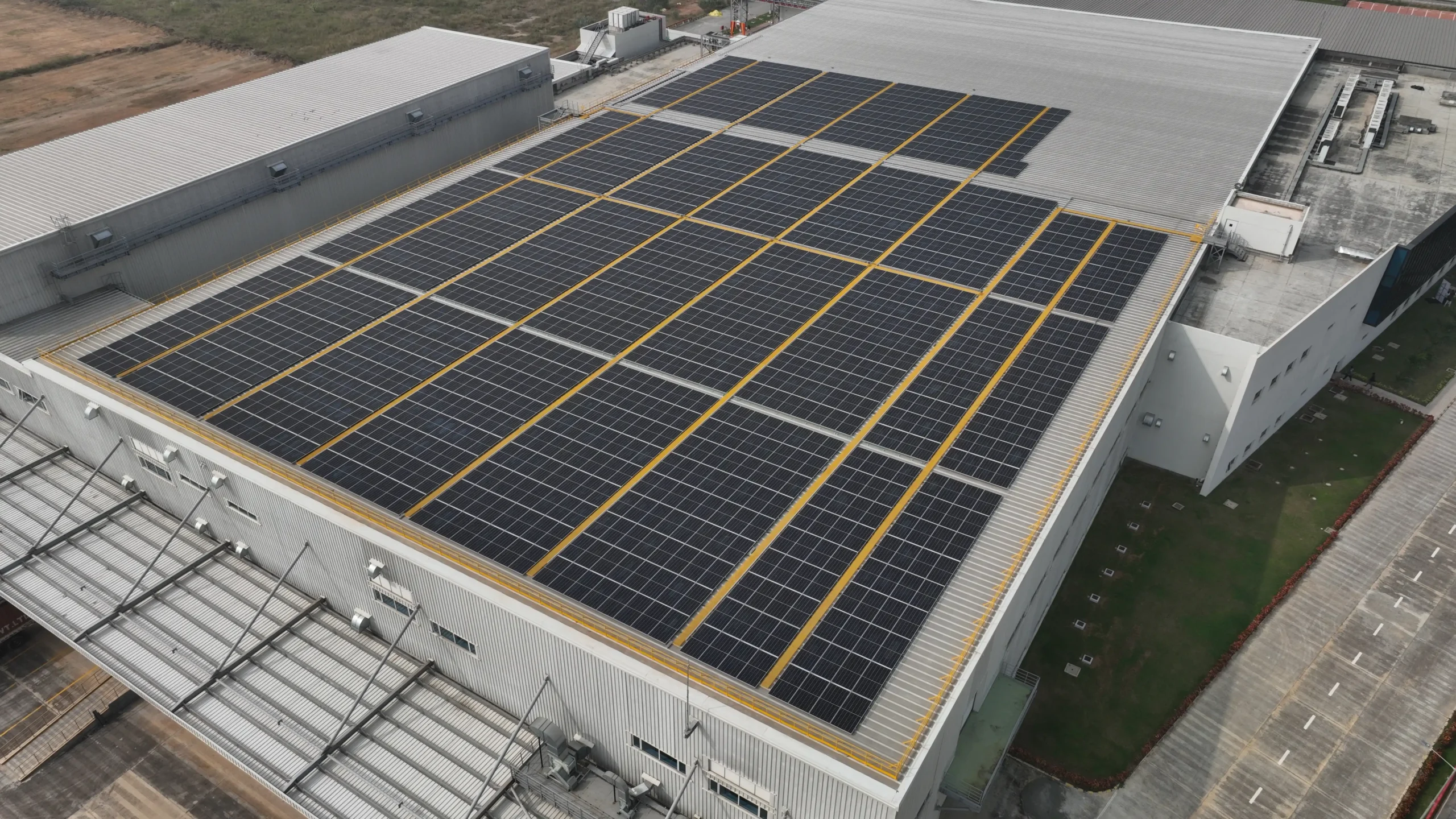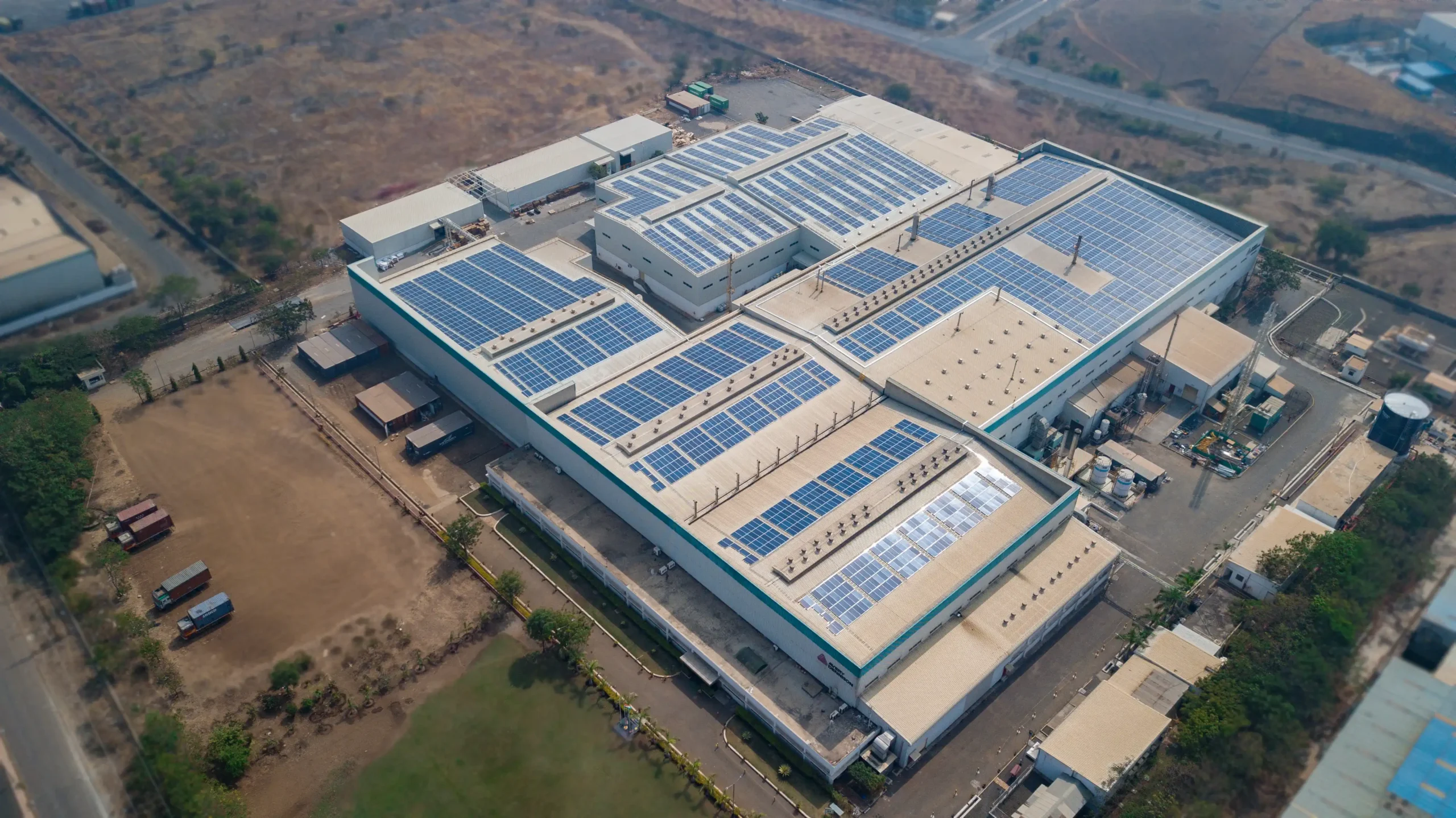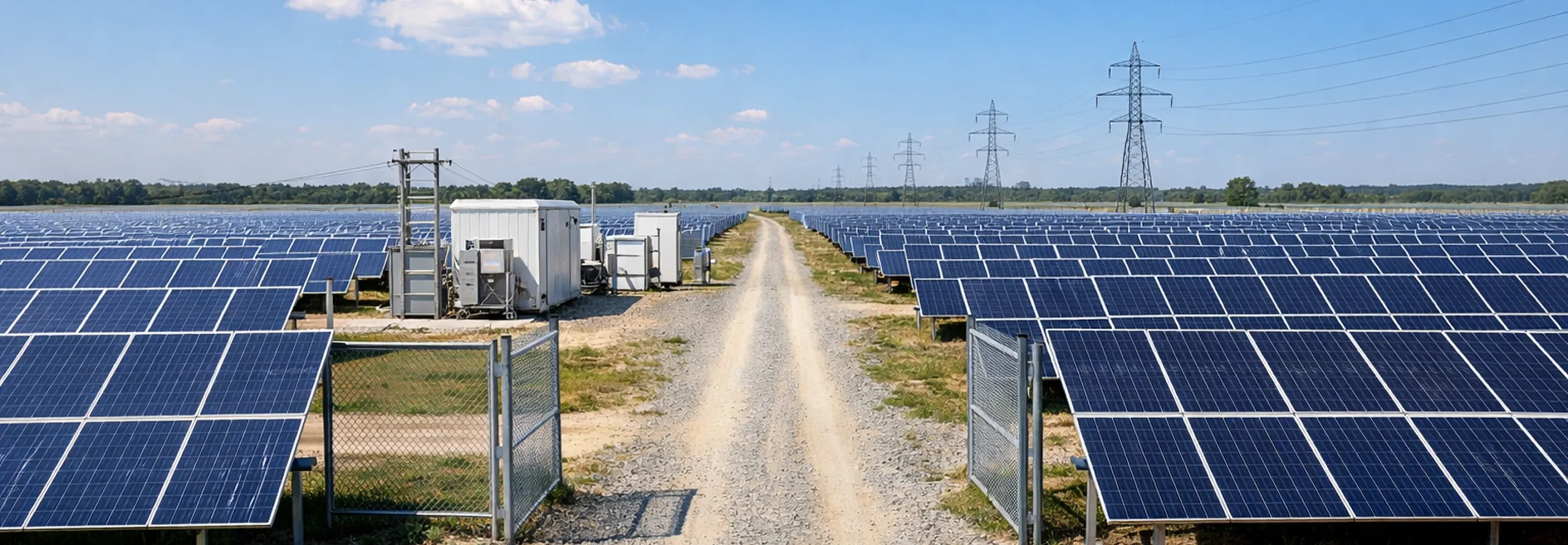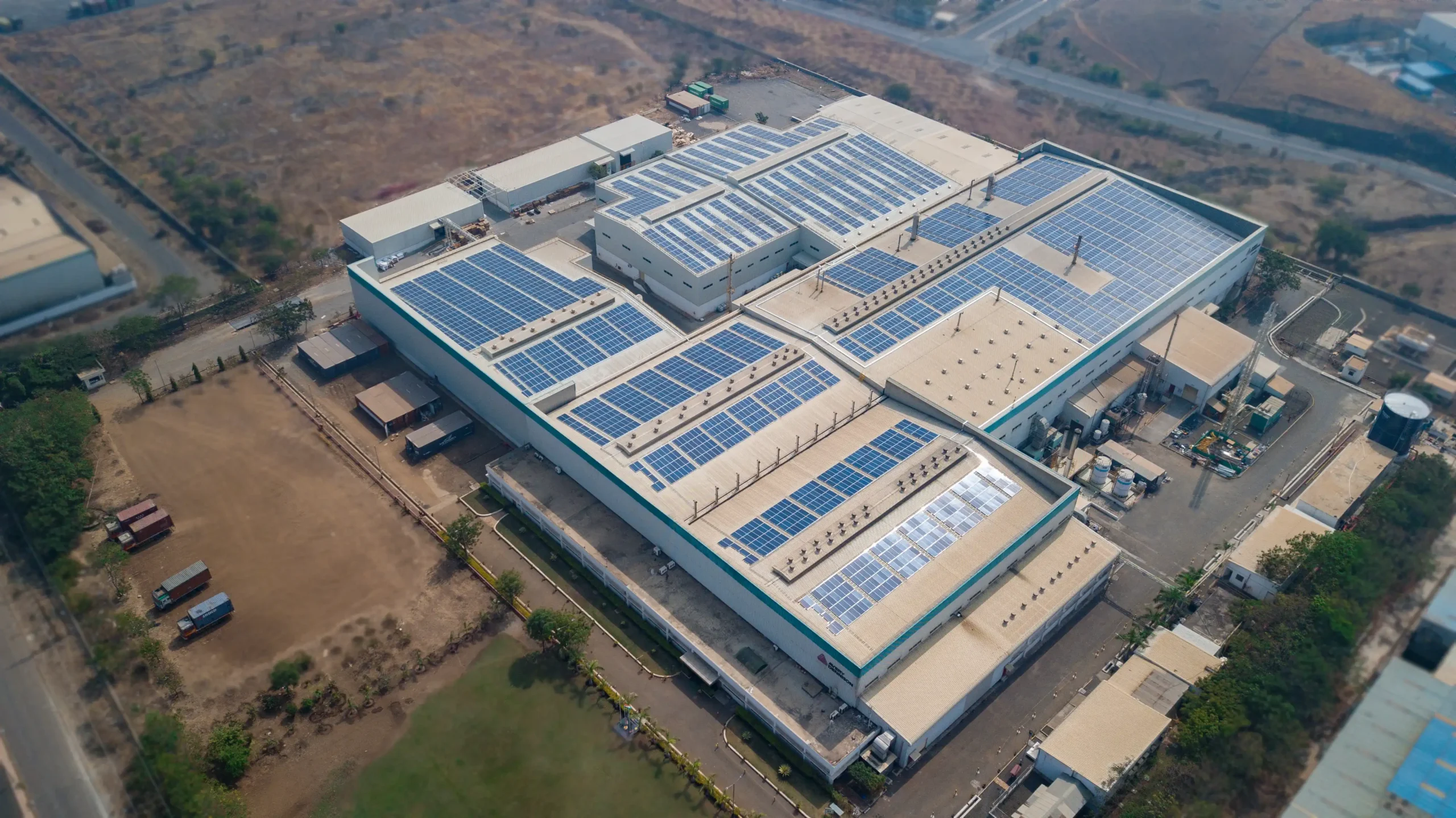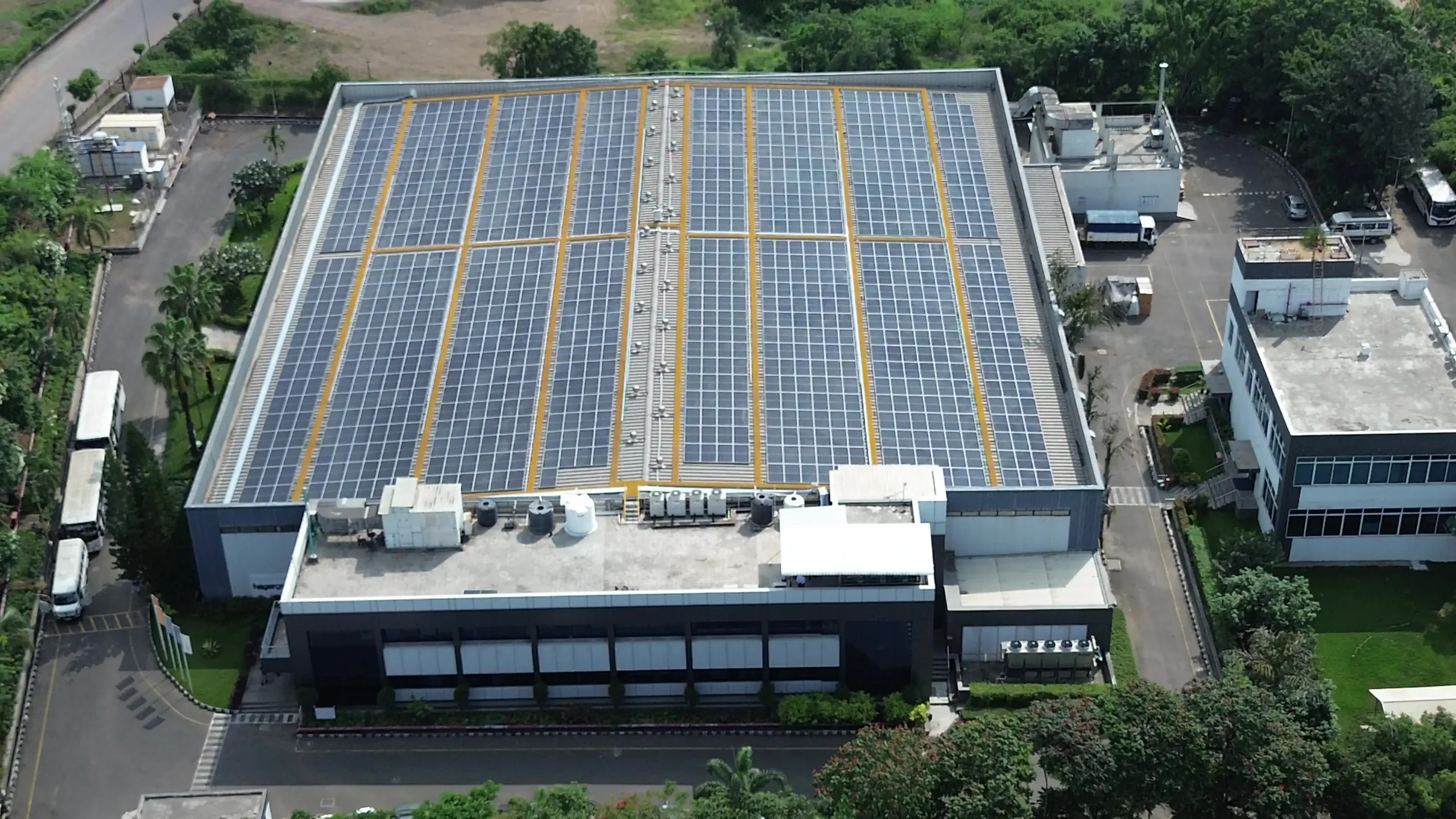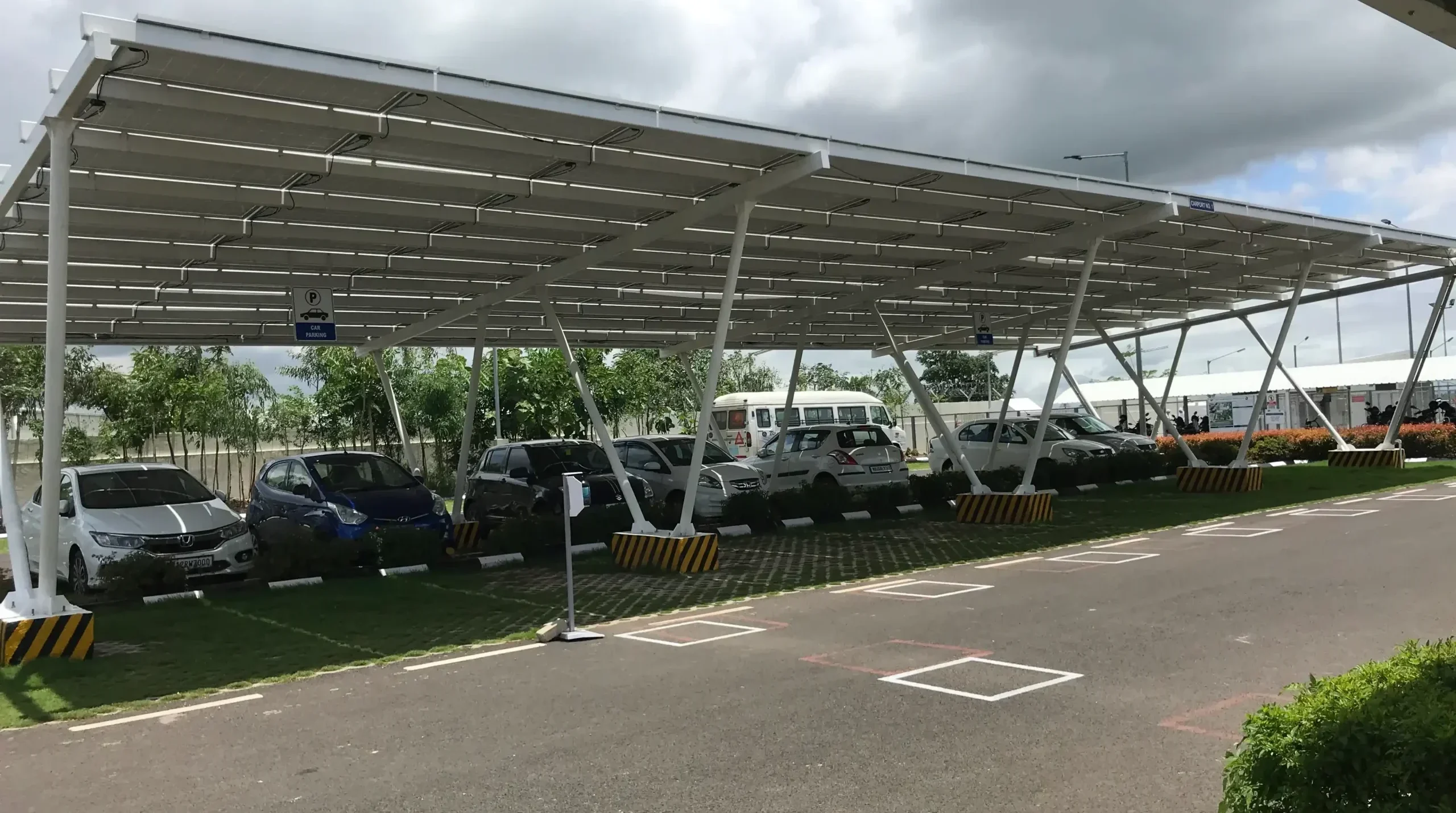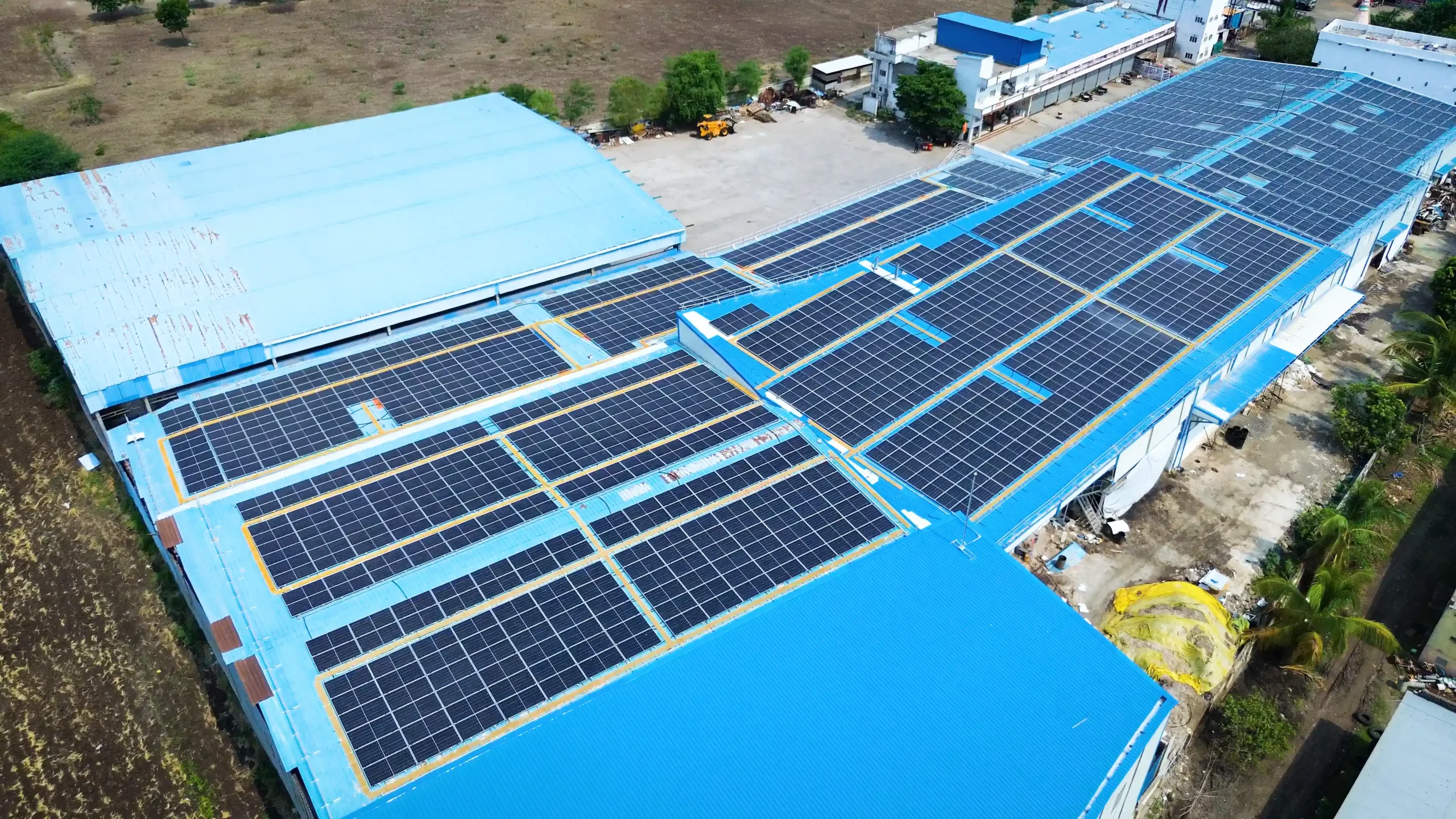
No Weather Holds It Back : Solar Energy - Your Year - Round Energy Solution

When we think of clean, renewable energy sources, the sun often takes center stage. Solar power, harvested from the sun's radiant energy, is a key player in the transition to a more sustainable future. But there's a common misconception that solar generation relies on clear, sunny skies. In reality, solar energy systems are far more resilient and versatile than you might think.

1. The Sunshine Misconception
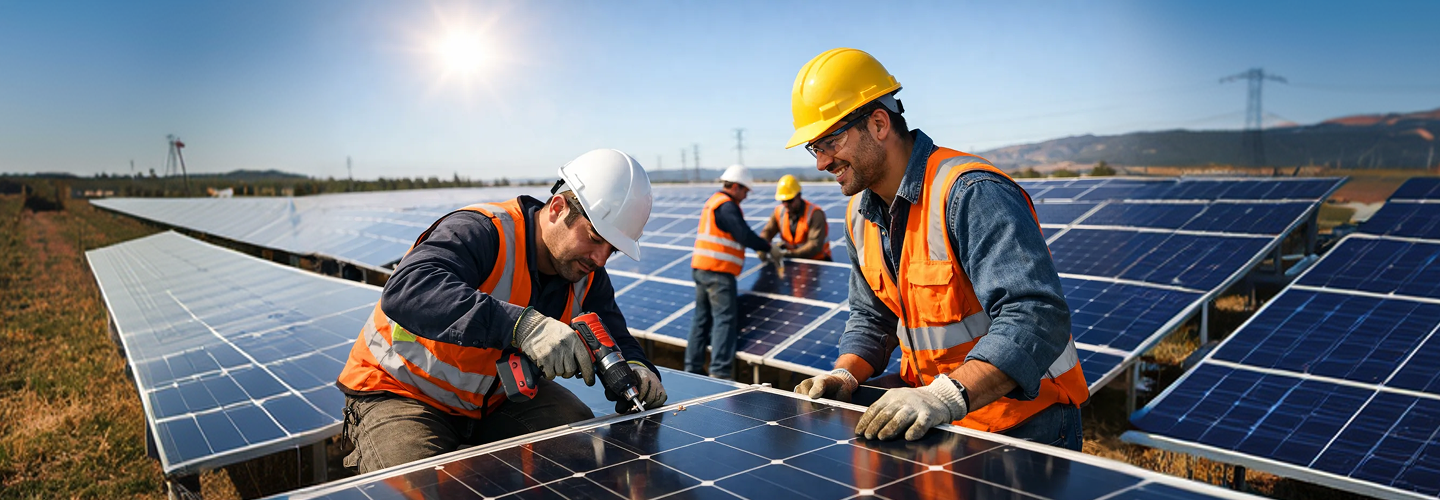
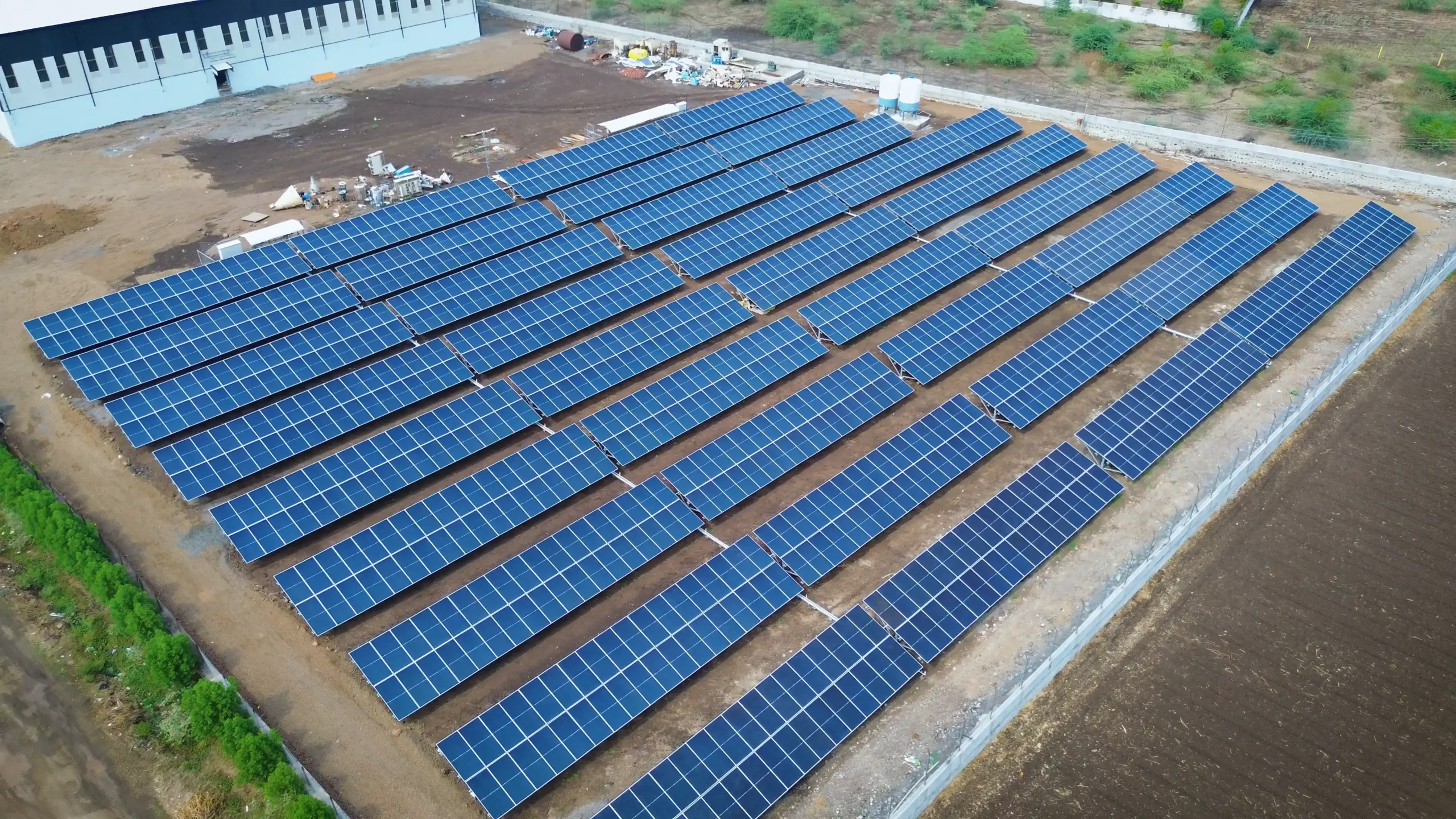
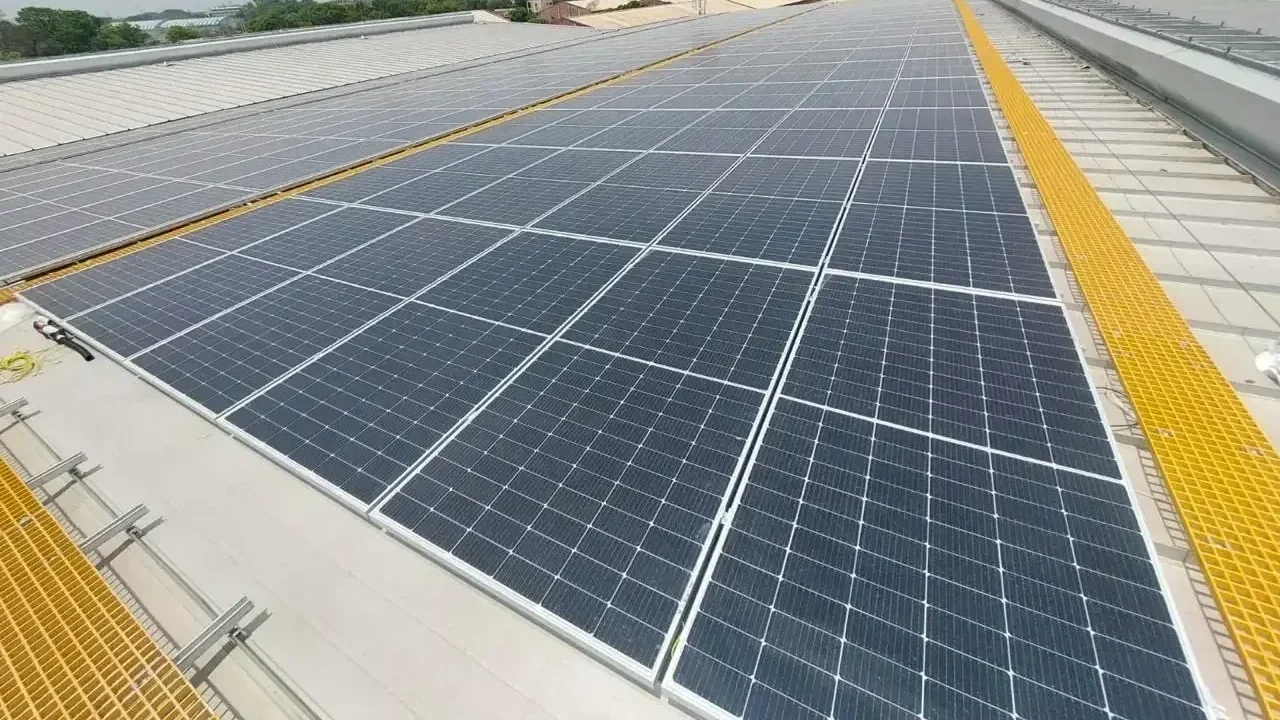
Solar panels, made up of photovoltaic cells, are designed to convert sunlight into electricity. Naturally, people tend to assume that solar panels are only effective when the sun is shining brightly. This misconception, however, neglects the science behind solar generation and the remarkable adaptability of solar energy systems.

2. Breaking Down Solar Generation
Solar generation works by harnessing photons (light particles) from the sun and exciting electrons in the photovoltaic cells. This creates an electrical current, which can then be converted into usable electricity. While intense sunlight is certainly beneficial for optimal solar energy production, solar panels can still generate electricity under a variety of weather conditions.

3. Cloudy with a Chance of Electricity
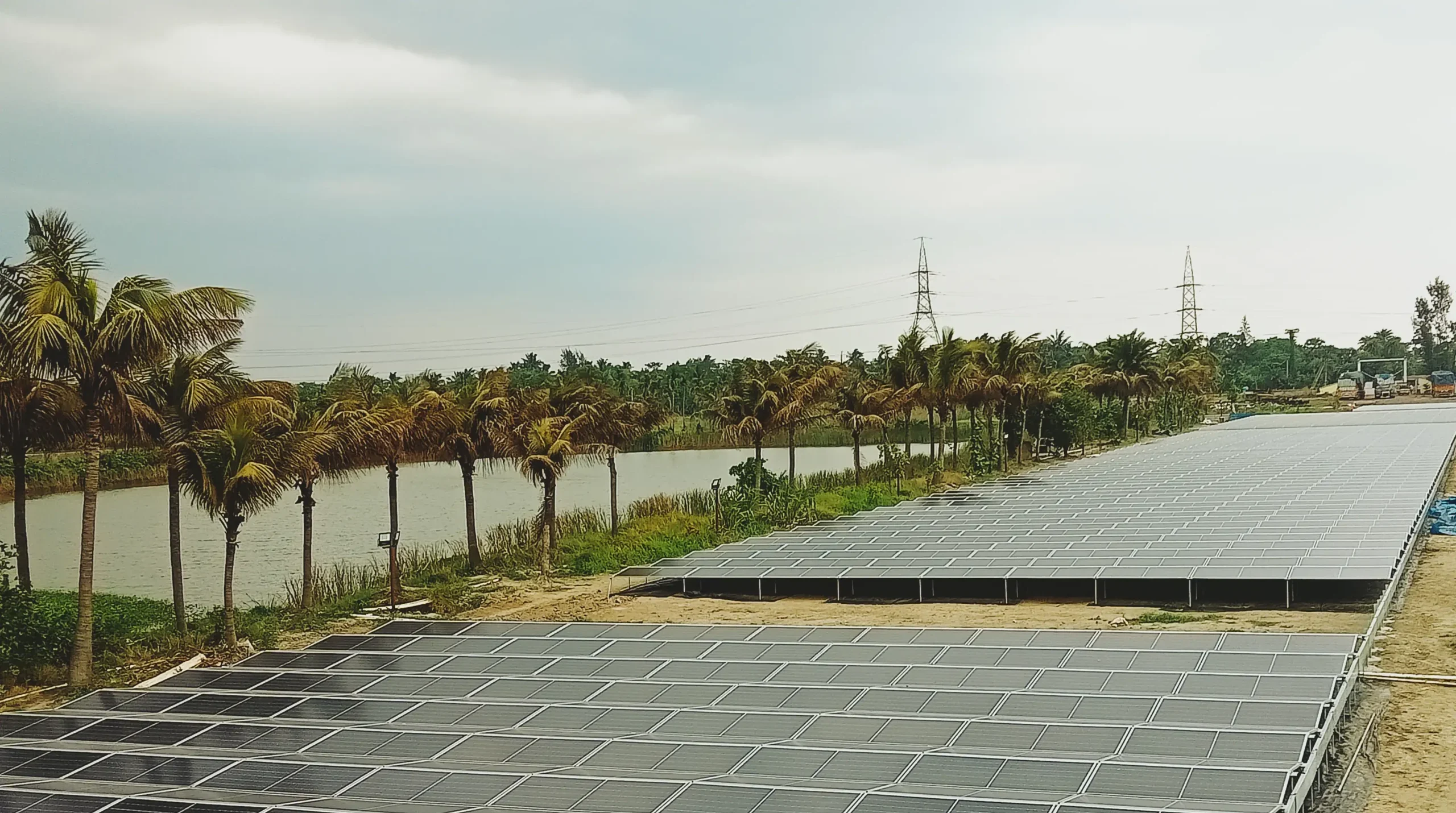
Believe it or not, even on cloudy days, solar panels continue to generate electricity. Cloud cover scatters sunlight, but it doesn't block it completely. So, as long as there's some daylight, solar panels can still do their job. Of course, their efficiency might be reduced compared to a bright, sunny day, but they're far from non-functional.

4. Rain, Sleet, or Snow – No Problem!
Weather conditions like rain, sleet, or snow won't harm your solar panels either. Rain can even be beneficial as it washes away dirt and dust, making your panels more efficient when the sun returns. While snow may temporarily cover your panels, most are designed to be at an angle, allowing the snow to slide off, revealing your solar panels once more.

5. Shining Through the Shade
Shade from trees, buildings, or other obstructions can cast shadows on your solar panels. While shade can affect the efficiency of your system, modern solar panel designs often incorporate bypass diodes. These diodes enable electricity to flow around shaded areas, ensuring that the rest of the panel continues to function optimally.

6. The Role of Energy Storage
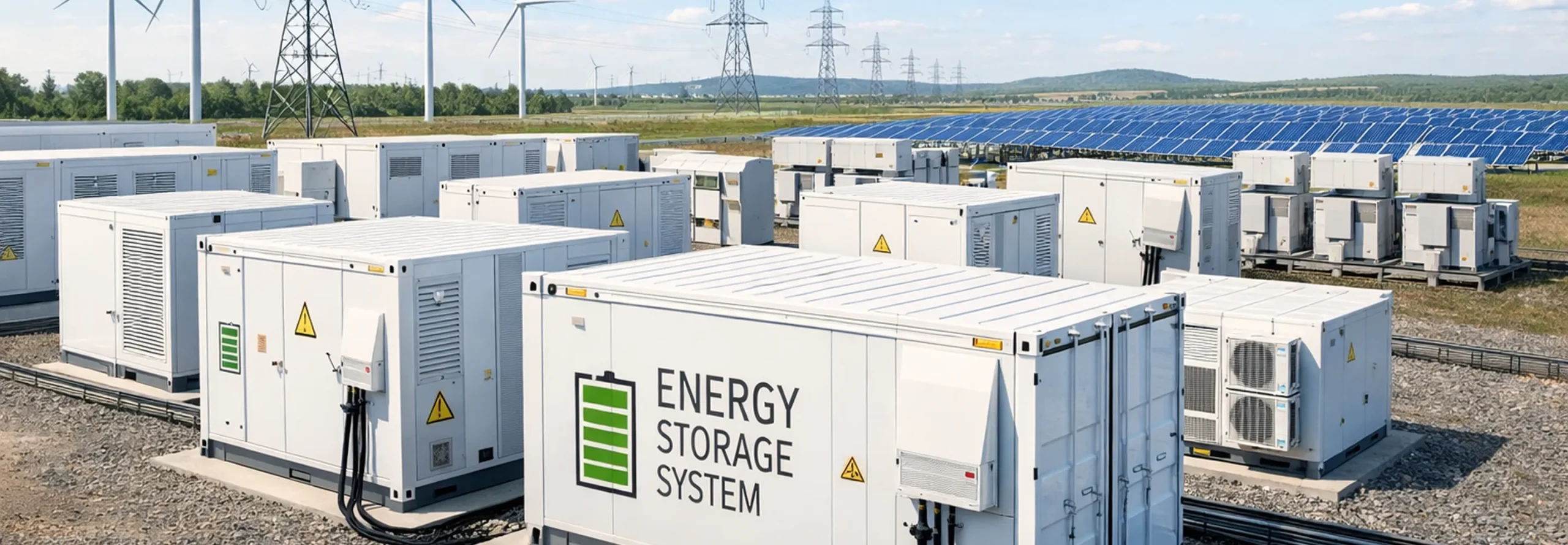
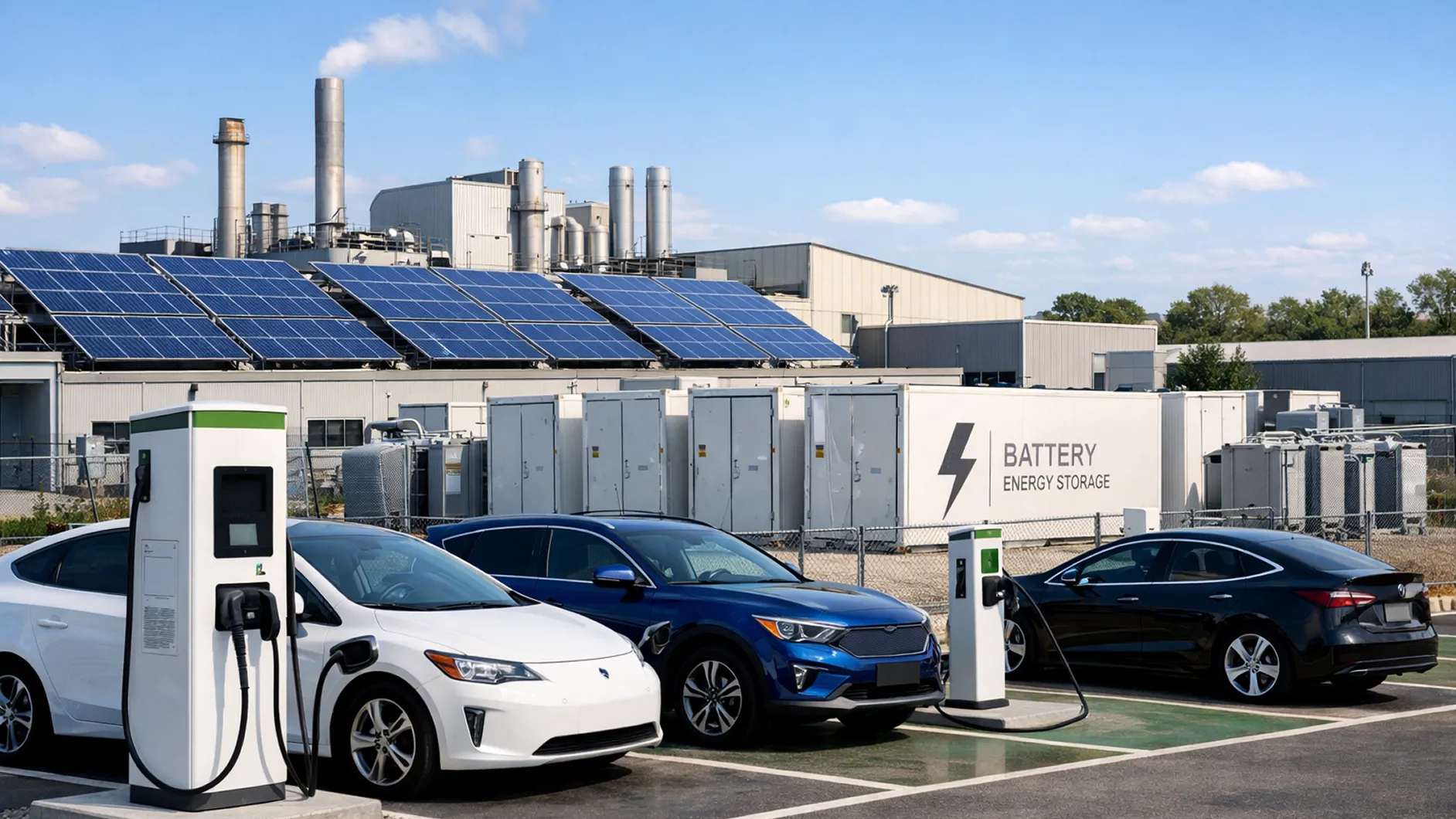
Solar generation's resilience is further bolstered by energy storage solutions. Solar batteries can store excess energy produced during sunny periods for use during cloudy days or at night. This means that even when the sun isn't shining, your home can still run on clean, solar-generated power.

The Conclusion: Solar Power for All Seasons
In conclusion, solar generation is not bound by specific climate or weather conditions. While its efficiency might fluctuate with the weather, modern solar panels are built to adapt and continue producing electricity under various circumstances. And with the addition of energy storage solutions, you can ensure a constant and reliable energy supply from the sun.

So, let go of the idea that solar power is only for sunny regions – it's a resource available to all, no matter the weather. By harnessing the power of the sun, we're taking significant strides towards a sustainable and clean energy future. Whether it's a bright and sunny day or a cloudy, rainy afternoon, the sun is always working for us, and so can solar power.

Scroll to Top