Net Metering vs Open Access Solar: Complete Guide for Indian Industries

Introduction
Indian businesses have two primary solar pathways: Net Metering (on-site solar with grid export) and Open Access (remote solar farm via grid). Both reduce electricity costs but work differently. This guide helps you choose.
What is Net Metering?
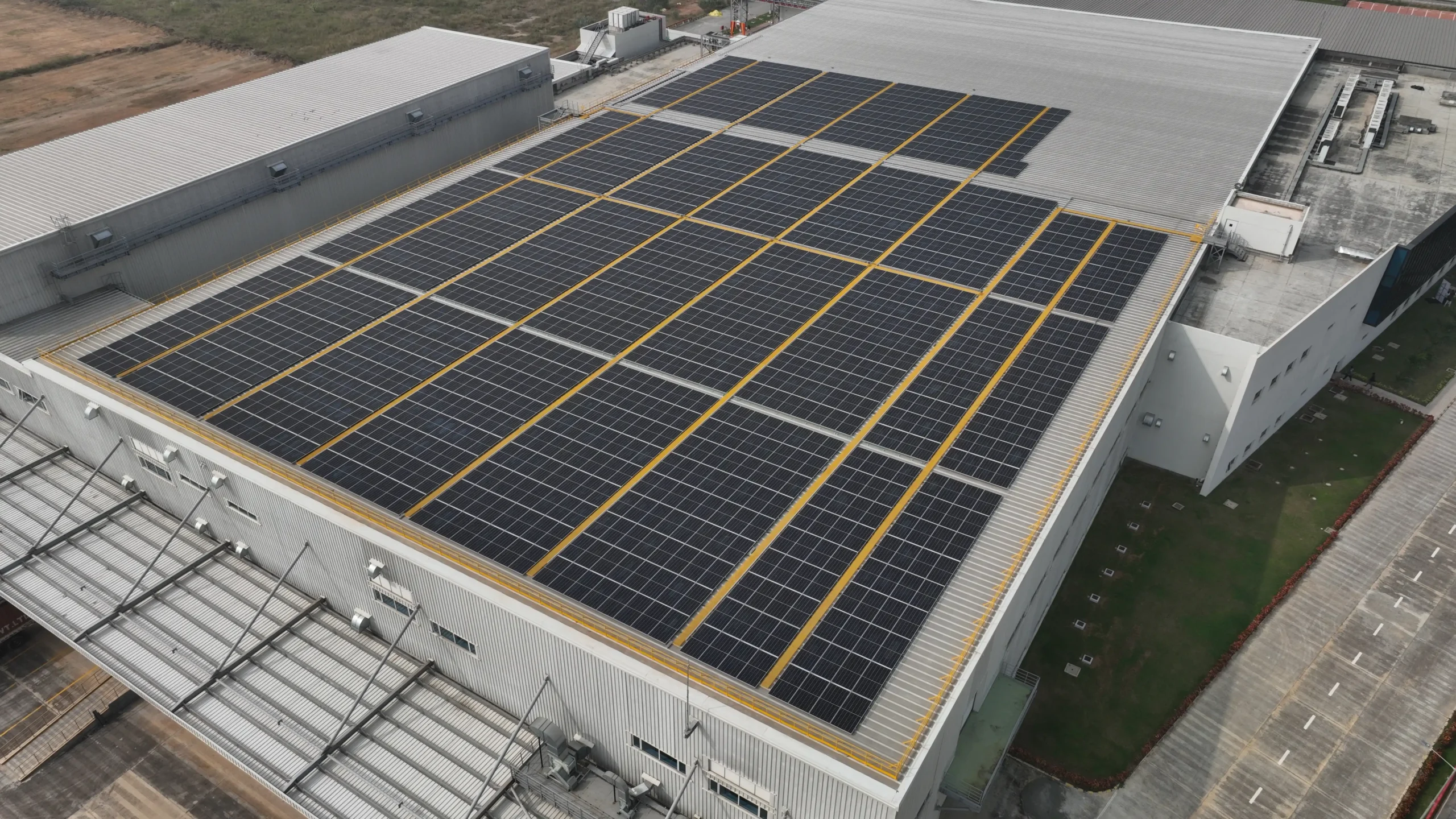
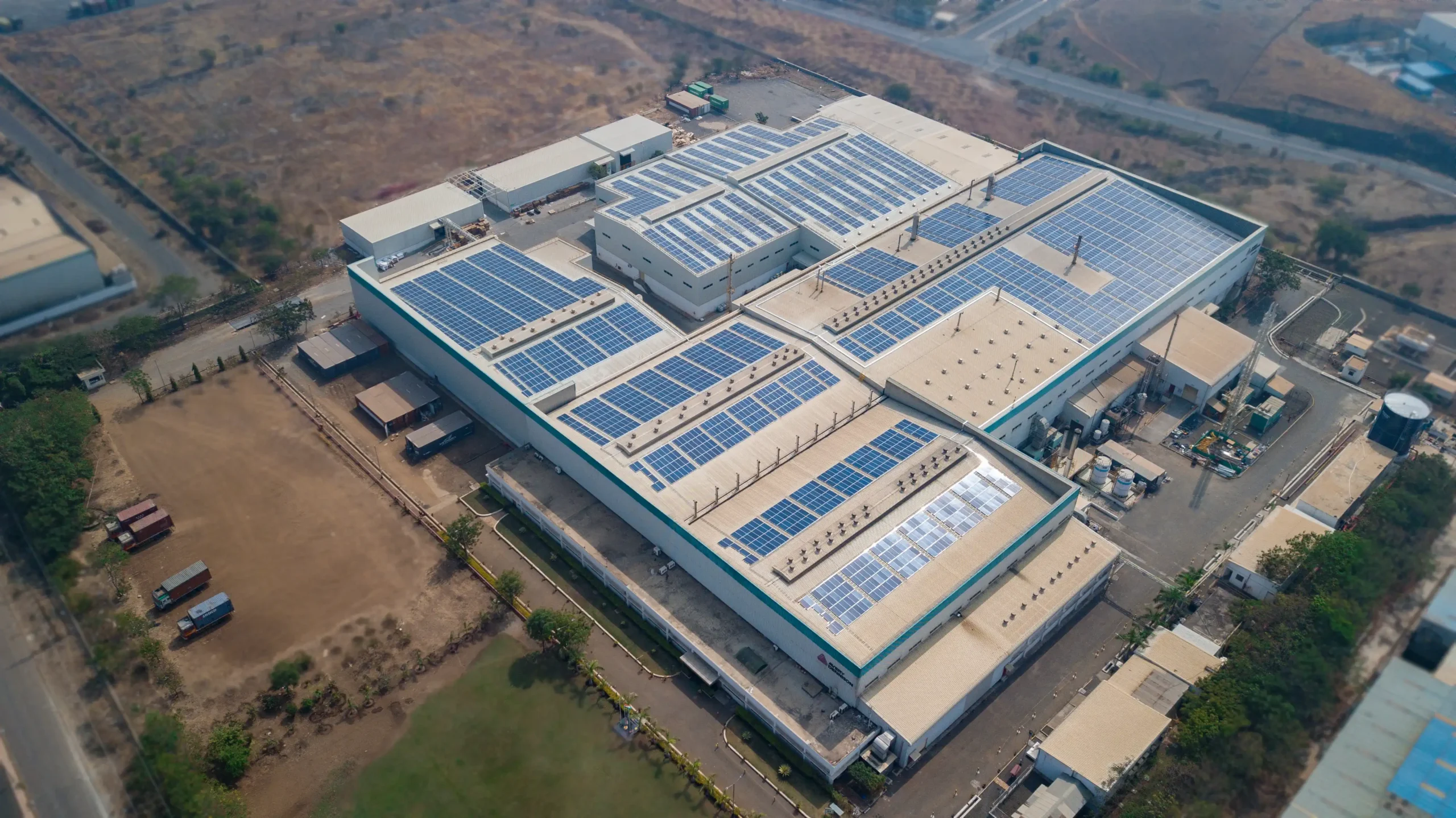
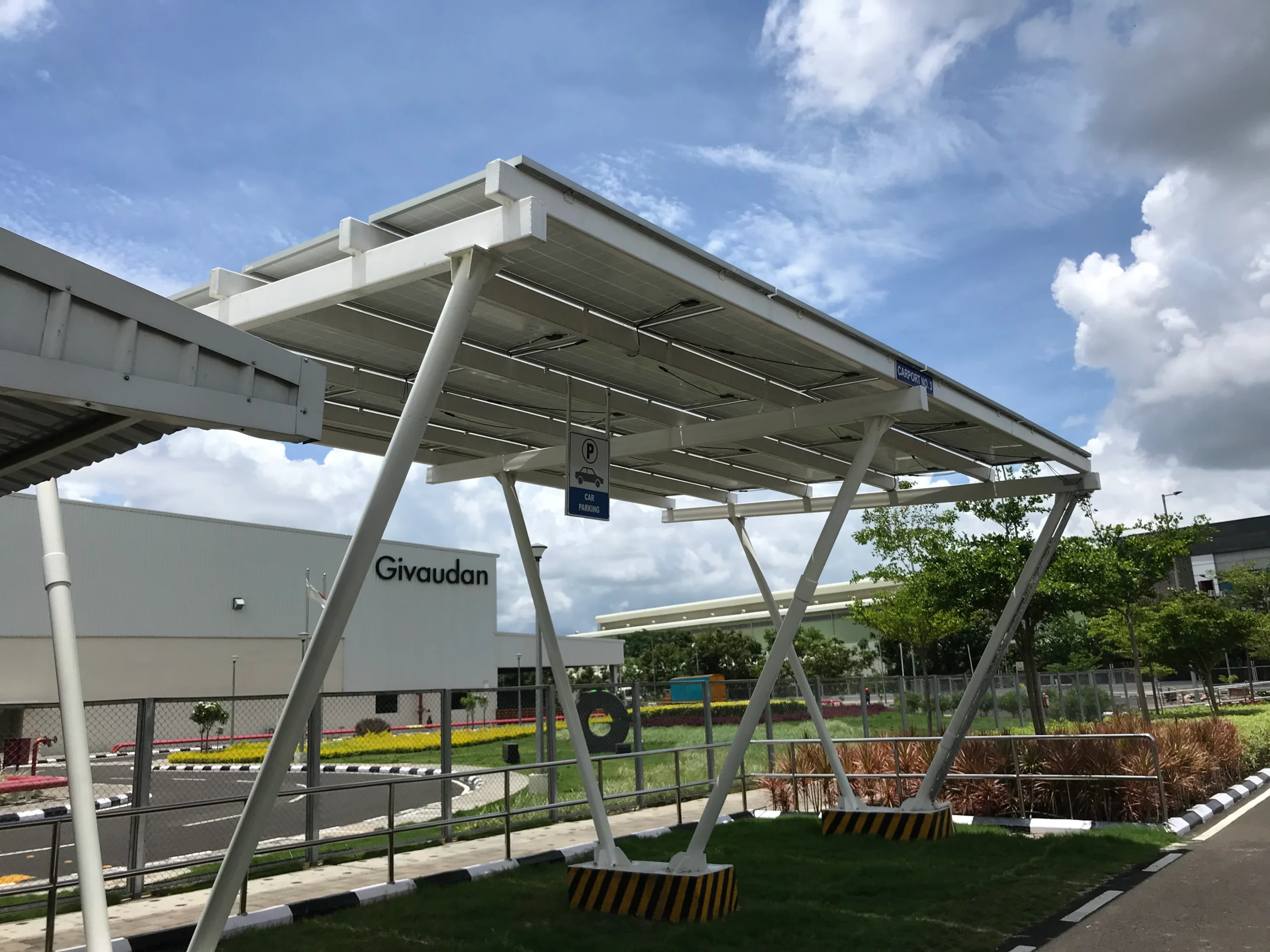
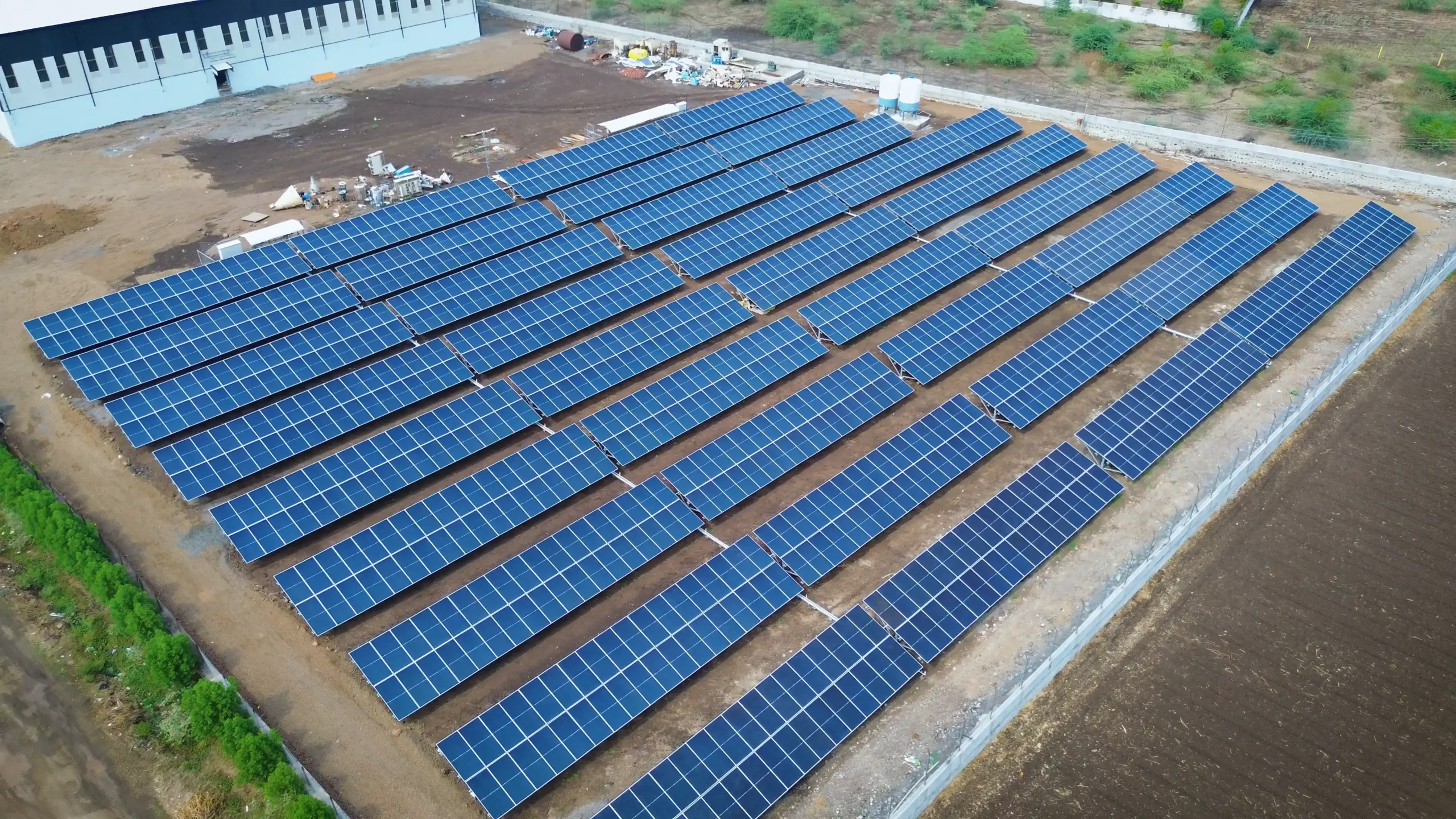
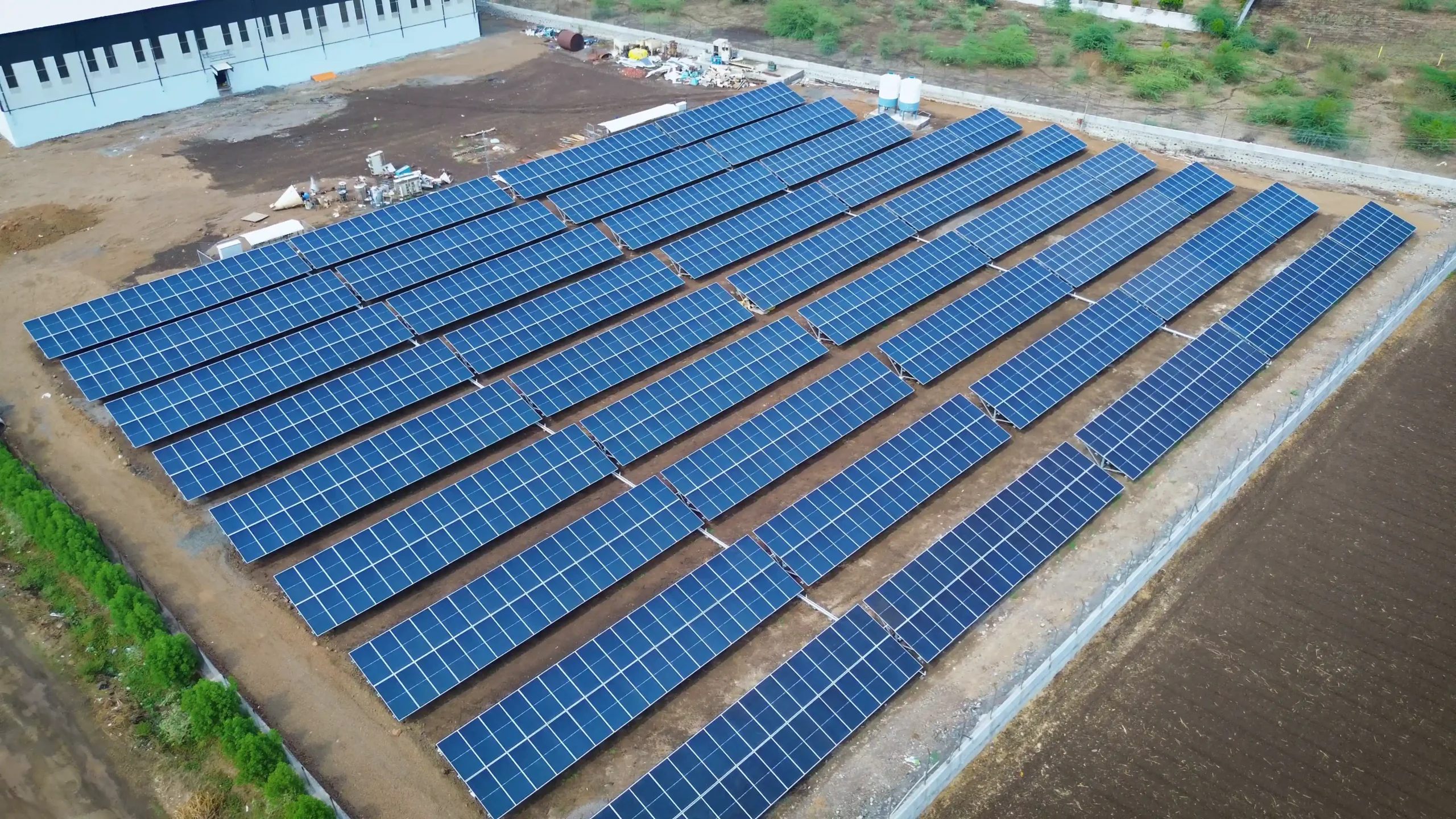
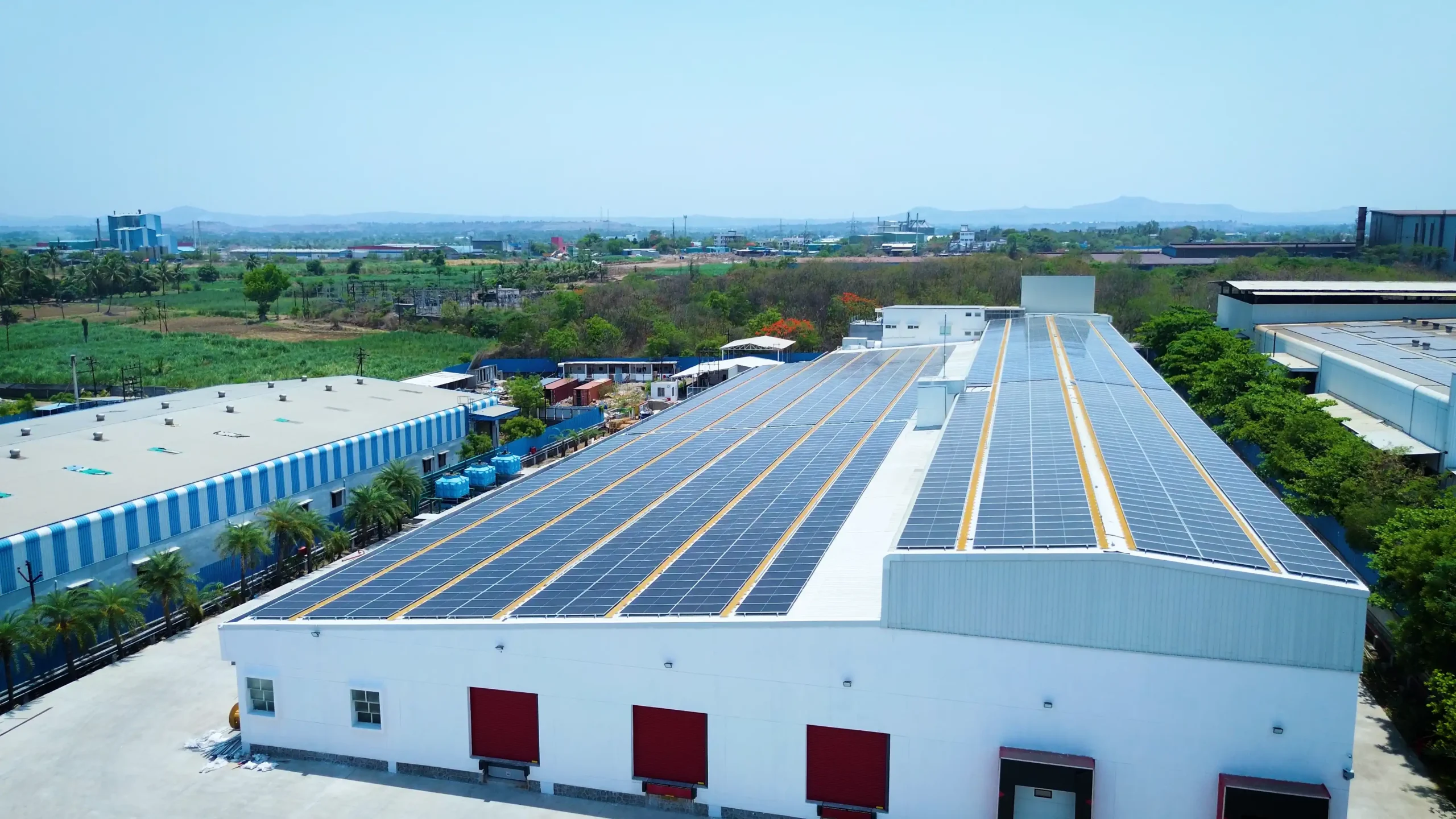
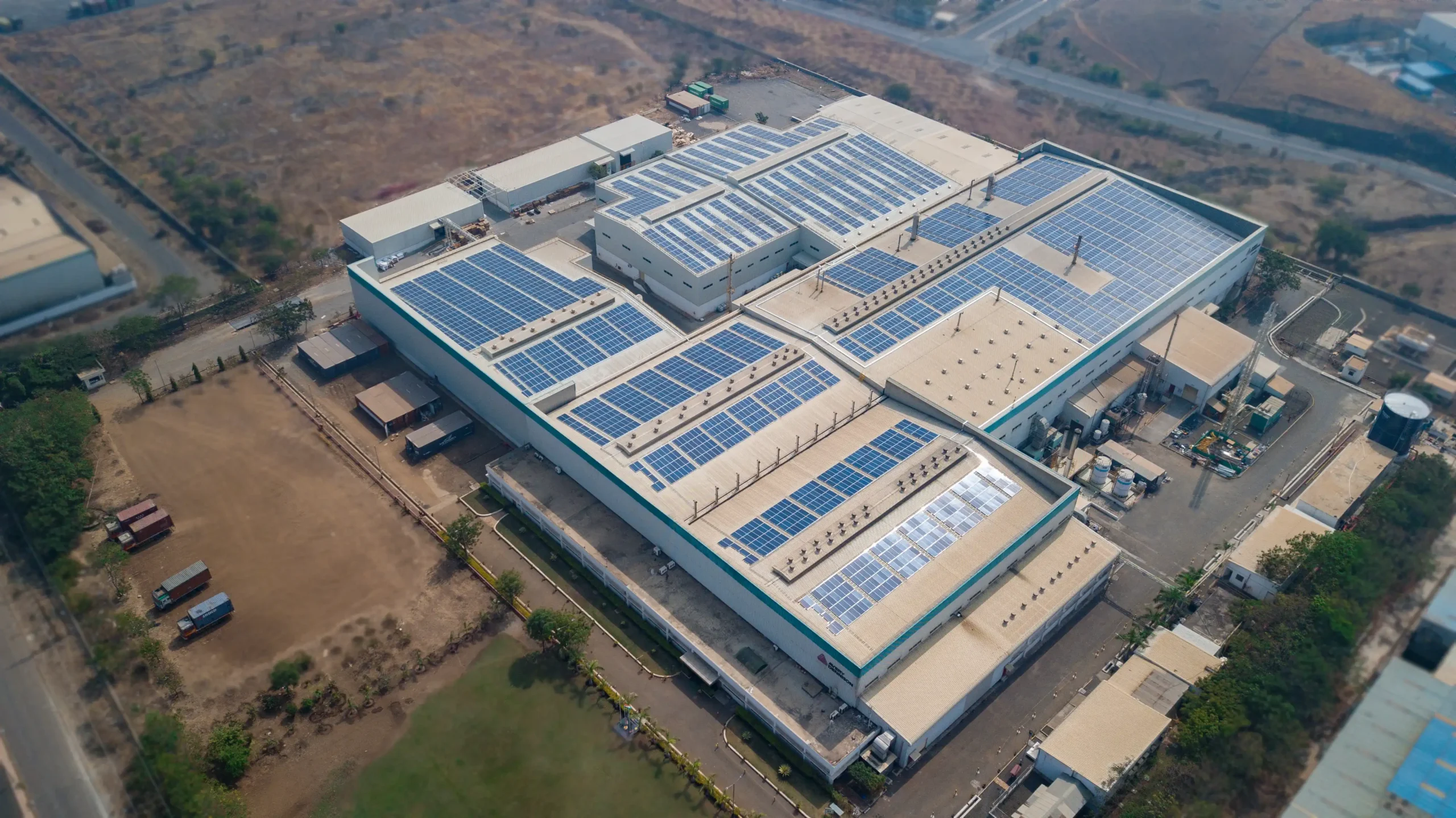
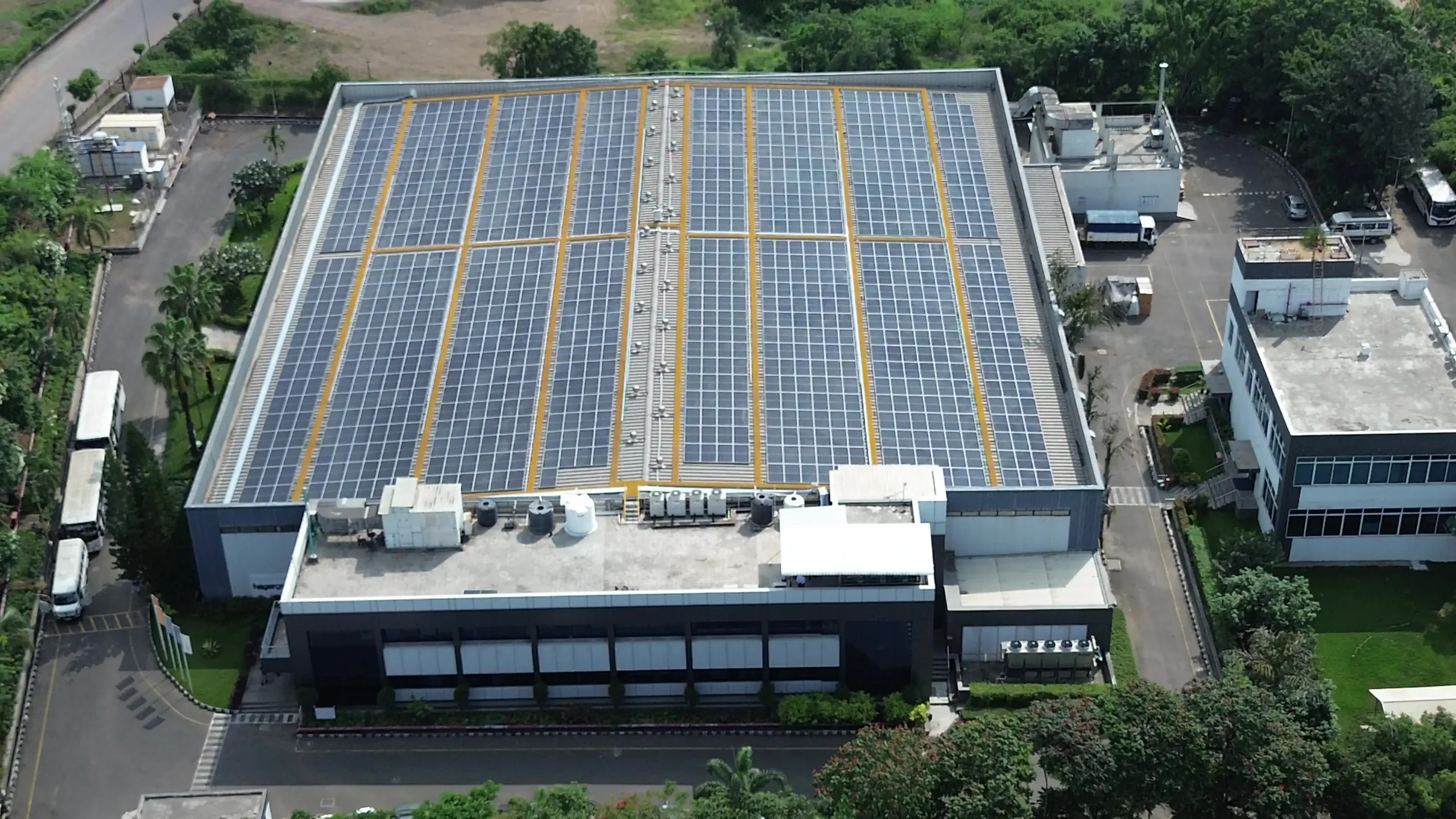
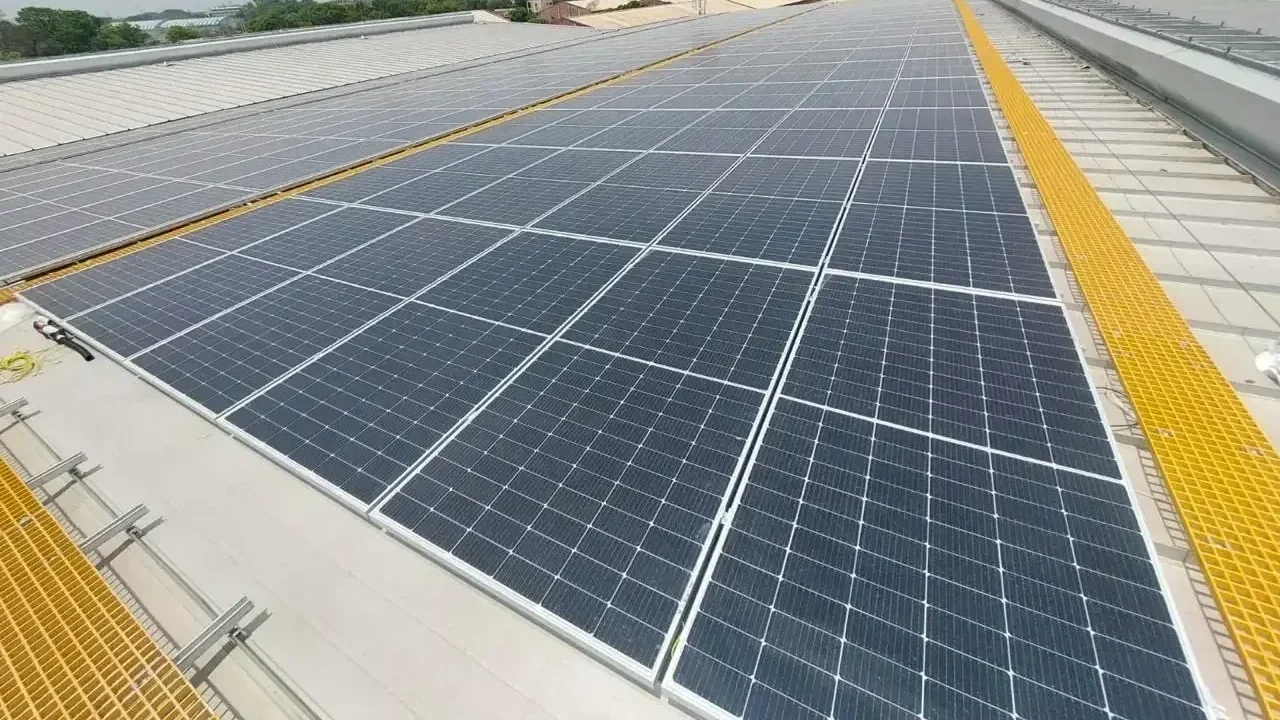
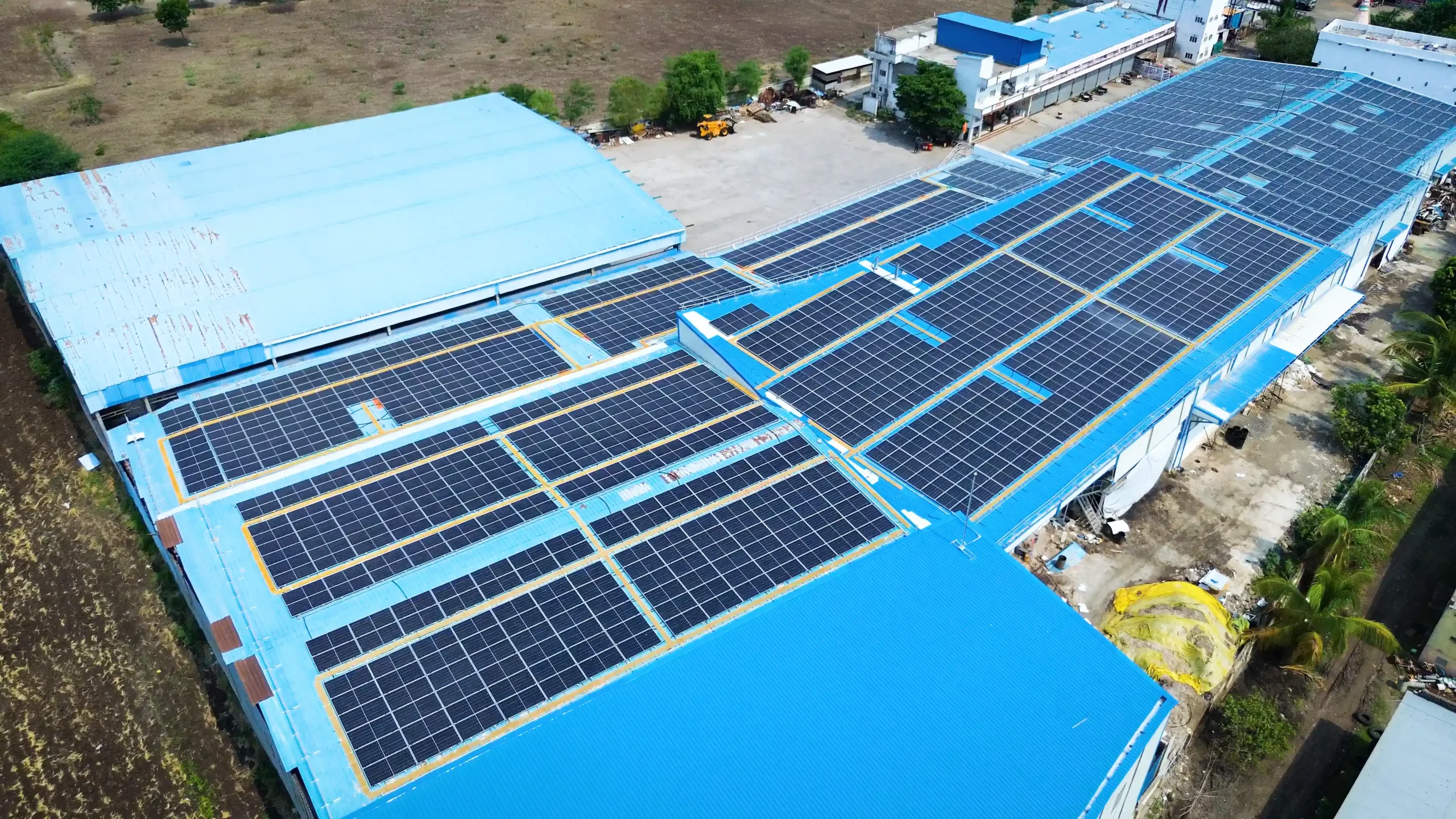
Net metering allows businesses with on-site solar to export excess electricity to the grid, earning credits that offset future bills.

How It Works

Solar generates power during the day
You consume directly, reducing grid dependency
Excess electricity is exported to the grid
Utility credits your account
Credits offset grid usage during night or cloudy periods

Benefits
• Maximizes solar utilization without wasting excess generation
• Reduces electricity bills by 50–80% using solar credits
• No battery required as the grid acts as a virtual battery
• Simple billing with net consumption visibility
• Available in most states up to 500 kWp–1 MWp

Challenges
• Requires on-site space (approximately 100 sq. ft. per kWp)
• Policies vary by state and DISCOM
• Grid dependency remains unless batteries are added
• Export credits may expire after 12 months

Best For
• Businesses with adequate rooftop or ground space
• High daytime electricity consumption
• Preference for on-site system control
• States with favorable policies such as Maharashtra, Gujarat, and Karnataka

What is Open Access Solar?
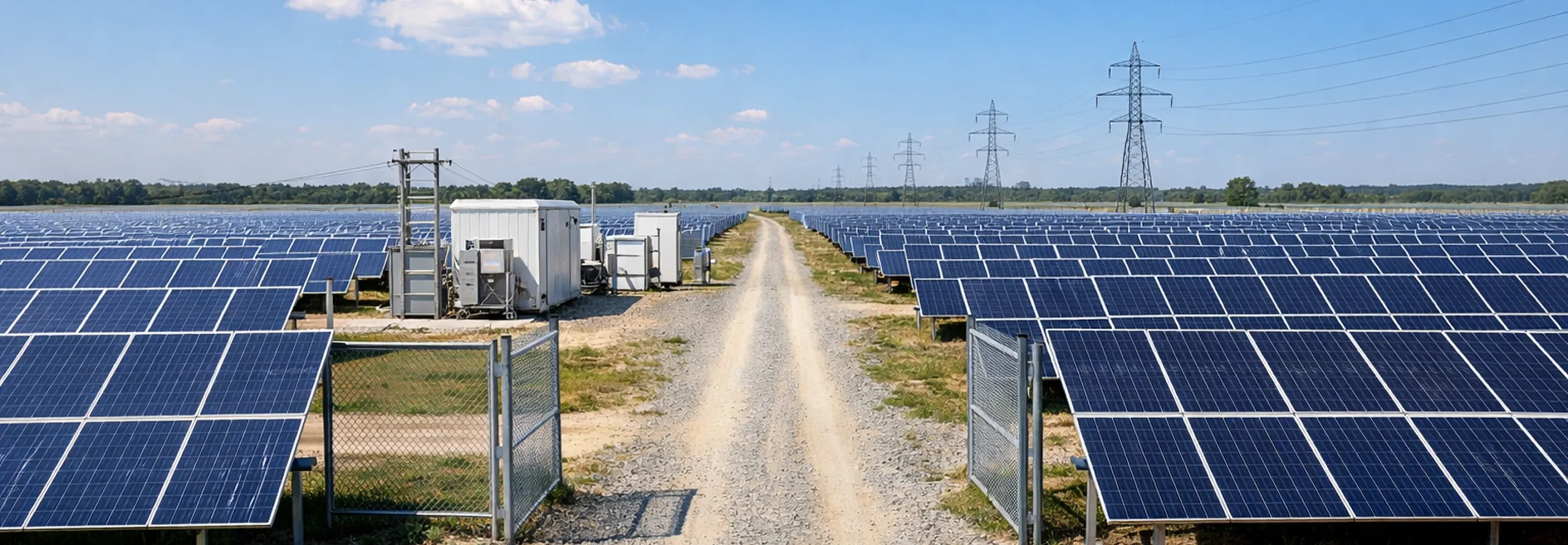
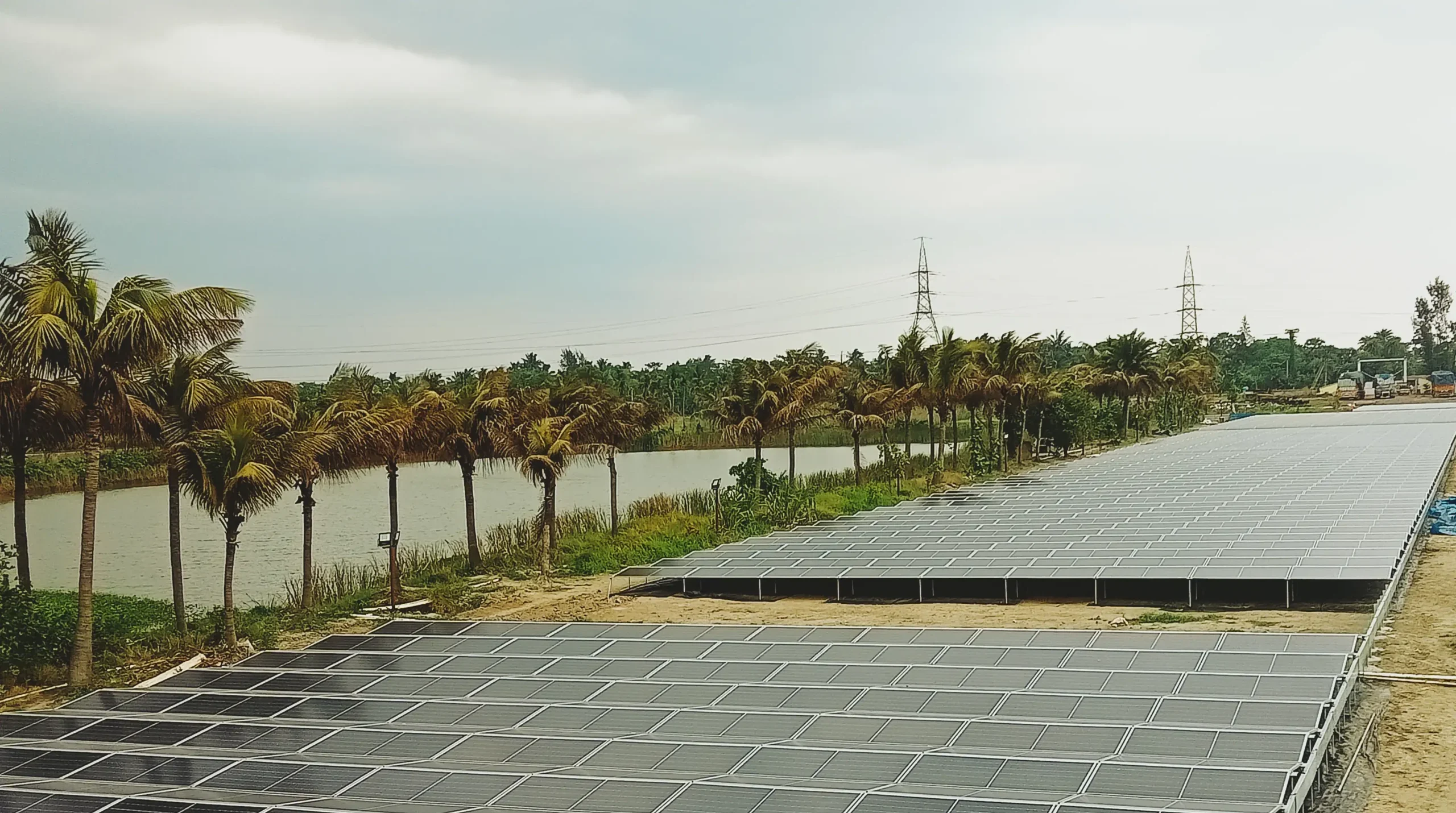
Open Access allows businesses to purchase electricity from remote solar farms transmitted through the state grid via wheeling arrangements.

How It Works

Developer builds and operates a solar farm
You sign a long-term power purchase agreement (PPA)
Solar power is transmitted through the state grid
Wheeling and banking charges are paid to the DISCOM
You are billed for solar power consumed plus grid charges

Benefits
• No on-site space required, ideal for space-constrained facilities
• Zero upfront investment under OPEX or PPA models
• Scalable capacity suitable for multi-megawatt demand
• Ability to supply power to multiple locations within a state
• Fixed electricity tariffs for 15–25 years

Challenges
• Lengthy and complex approval process (6–12 months)
• Wheeling charges of ₹0.5–1.5 per unit with 5–10% losses
• Regulations differ significantly by state
• Limited operational control over the solar asset

Best For
• Businesses without sufficient rooftop space
• Very high electricity consumption exceeding 500 kW
• Companies operating multiple sites across a state
• States with supportive open access frameworks such as Maharashtra, Tamil Nadu, and Karnataka

Key Differences
Location: Net Metering – On-site | Open Access – Remote solar farm
Space Requirement: Net Metering – Yes | Open Access – No
Capacity: Net Metering – Site-limited | Open Access – Highly scalable (MW scale)
Approvals: Net Metering – Simple | Open Access – Complex
Wheeling Charges: Net Metering – None | Open Access – ₹0.5–1.5 per unit
Ideal Use Case: Net Metering – Single site with space | Open Access – Multi-site or no space

Best State Policies
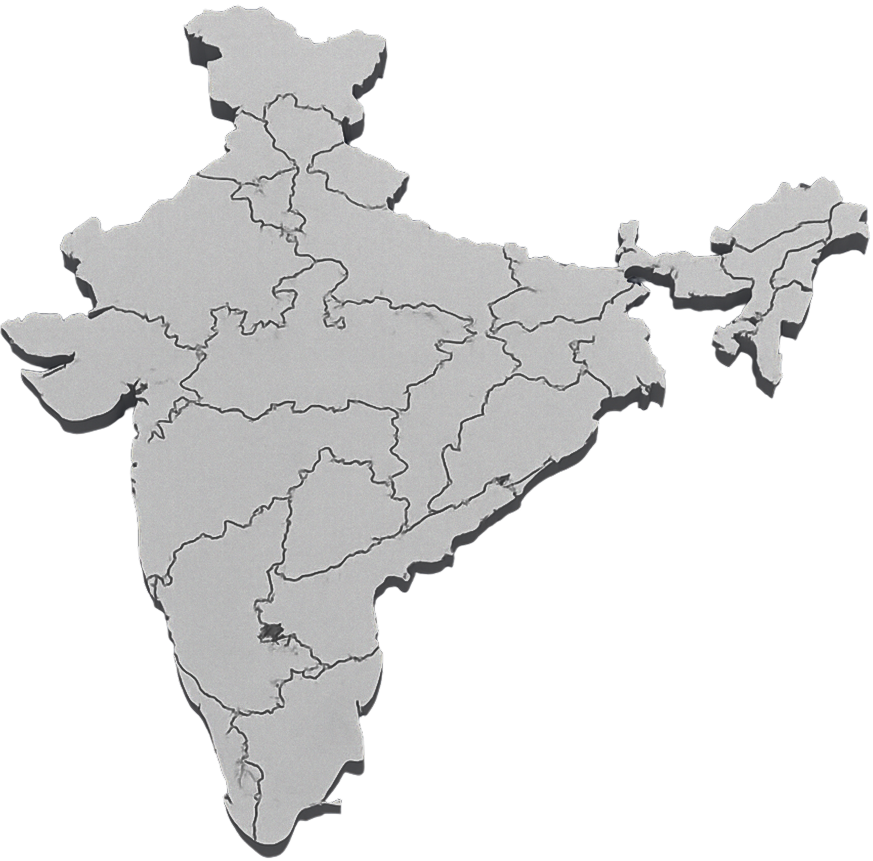
Net Metering: Maharashtra, Gujarat, Karnataka, Rajasthan
Open Access: Maharashtra, Tamil Nadu, Karnataka, Gujarat

Can You Use Both?
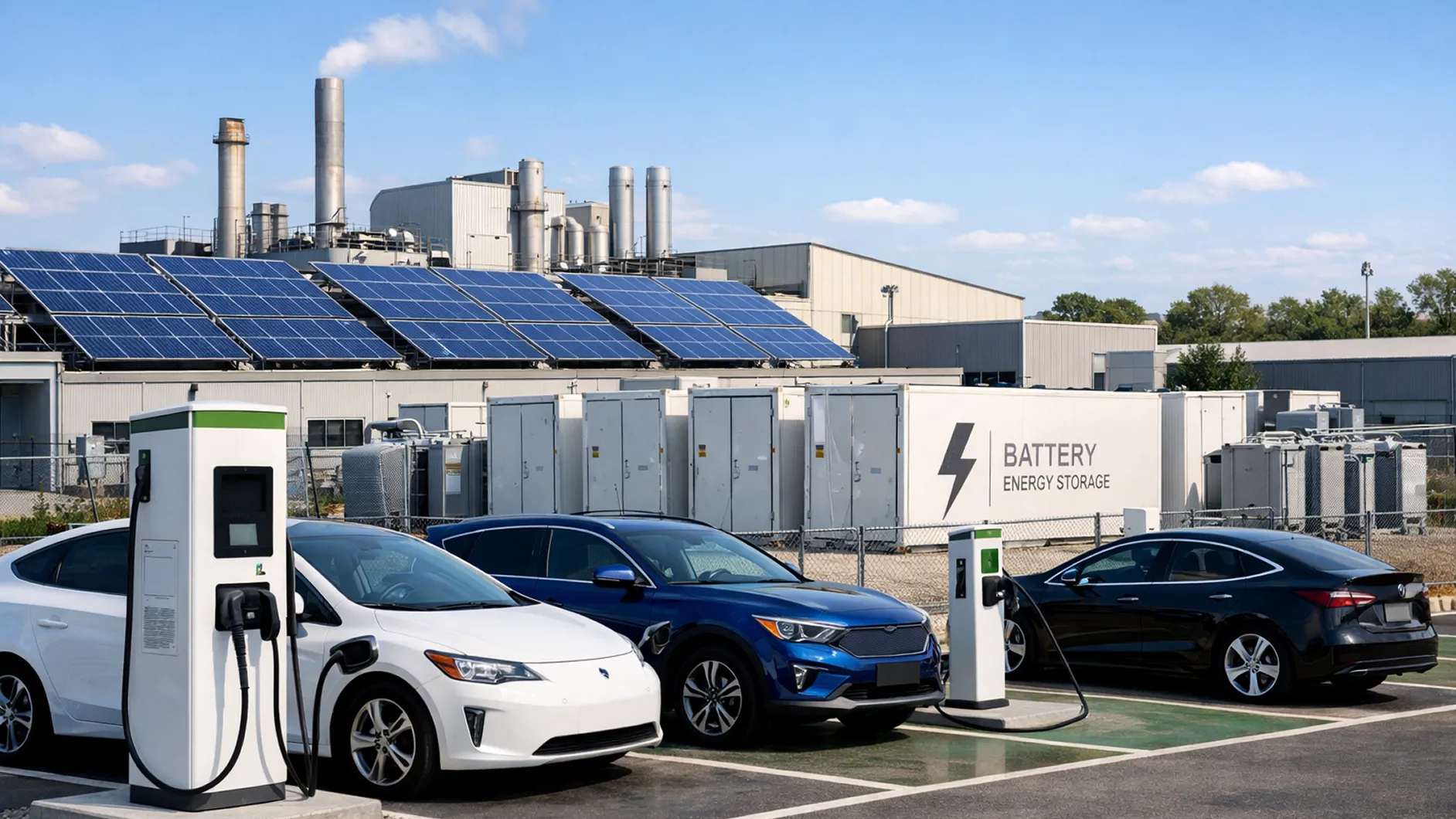
Yes. Many industries combine rooftop net metering with open access solar to meet higher power demand. This hybrid approach maximizes on-site generation while leveraging large-scale remote solar capacity.

Conclusion
Choose net metering if you have sufficient space and prefer on-site control. Choose open access if you are space-constrained or operate across multiple locations. Both models significantly reduce electricity costs and carbon footprint when implemented correctly.

Scroll to Top