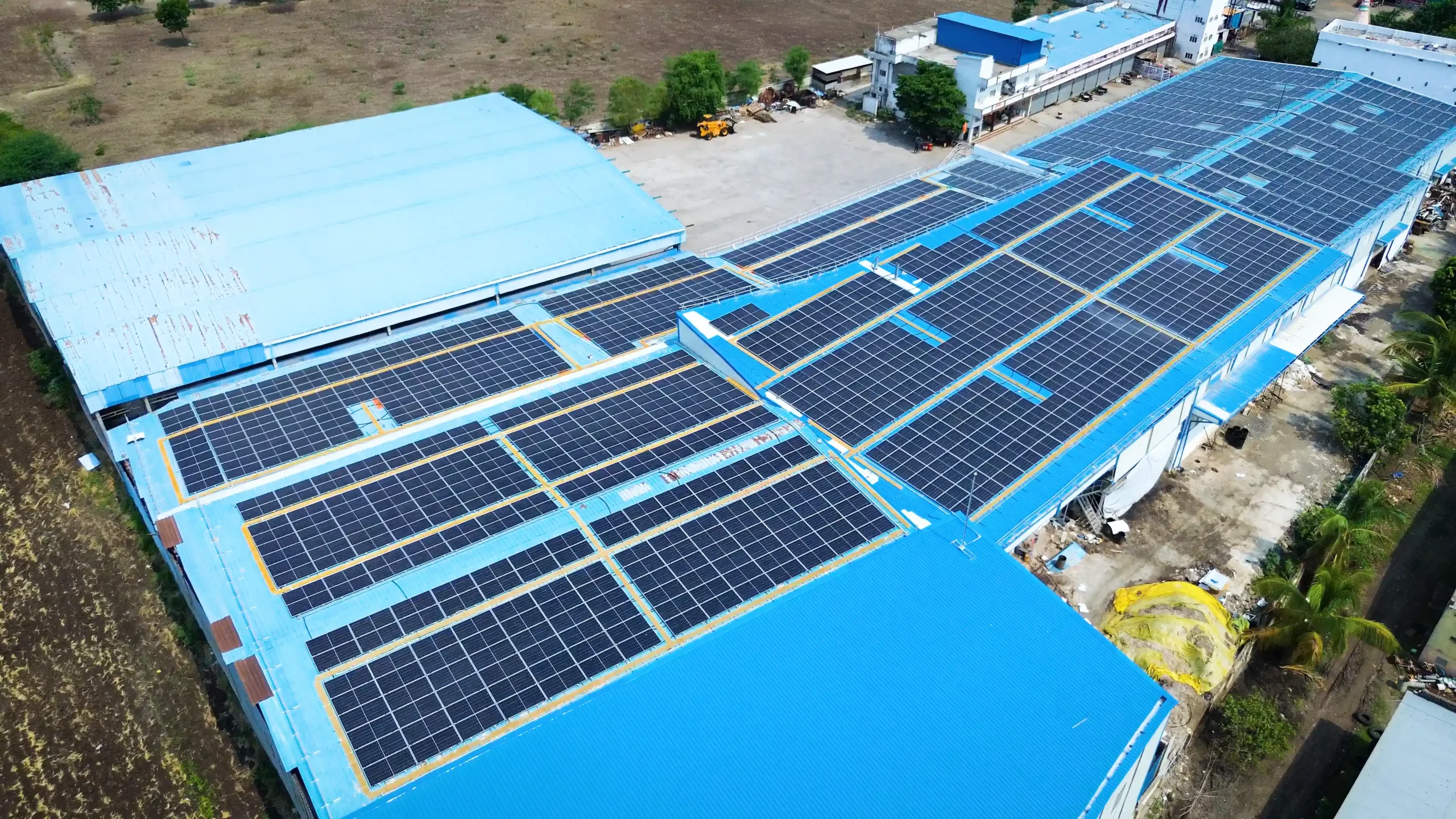
CAPEX vs OPEX: Which Solar Financing Model is Right for Your Business?

Introduction
When adopting solar, businesses face a critical decision: CAPEX (own the system) or OPEX (pay for power only)? The right choice depends on financial situation, tax strategy, and energy goals. This guide compares both models.

What is CAPEX Solar?
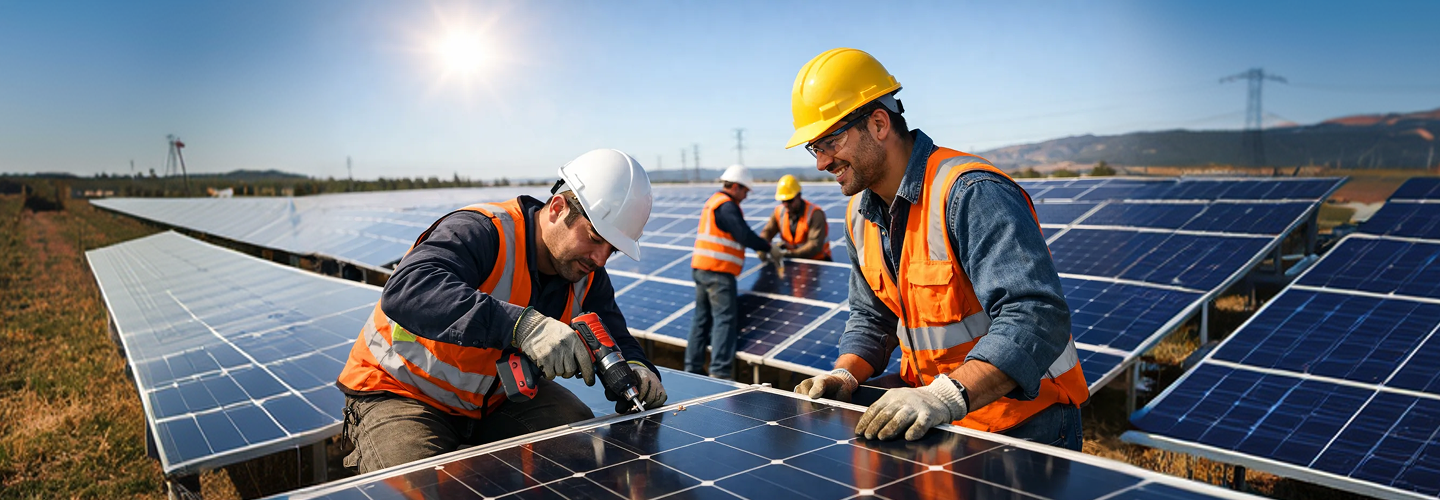
CAPEX (Capital Expenditure) means purchasing and owning the solar system outright. You invest upfront and the system becomes your asset.

CAPEX Benefits
• Maximum long-term savings: Free electricity after 3–6 year payback
• Tax benefits: 40% depreciation in Year 1, 20% in Year 2
• Asset ownership: Adds property value
• Full control: Design, components, and maintenance decisions
• Net metering: Sell excess power to the grid
CAPEX Challenges
• High upfront cost (₹40–55L per 100 kWp)
• Maintenance responsibility
• Performance risk remains with owner

Best For
• Businesses with available capital or low-interest loans
• Long-term operations (10+ years)
• Companies aiming to maximize tax benefits
• Freehold property owners

What is OPEX Solar?
OPEX (PPA / RESCO) means zero upfront investment. A developer installs, owns, and operates the system, while you pay only for the solar electricity consumed at a fixed lower tariff.

OPEX Benefits
• Zero investment required
• Immediate savings from Day 1
• No maintenance responsibility (handled by developer)
• Performance guarantee with risk borne by developer
• Suitable for leased or rented properties
• Off-balance-sheet model with no asset liability

OPEX Challenges
• Lower total savings over 25 years compared to CAPEX
• No depreciation or tax ownership benefits
• Long-term contract lock-in (15–25 years)
• Limited control over system design and upgrades

Best For
• Businesses with limited capital prioritizing cash flow
• Leased or rented premises
• Companies seeking immediate savings without ownership
• Firms wanting to avoid maintenance and operational hassle

Side-by-Side Comparison
Upfront Cost: CAPEX – High | OPEX – Zero
Ownership: CAPEX – Business owns | OPEX – Developer owns
Savings: CAPEX – Maximum after 3–6 years | OPEX – Immediate but lower
Tax Benefits: CAPEX – 40% depreciation | OPEX – None
Maintenance: CAPEX – Business responsibility | OPEX – Developer handles
Best For: CAPEX – Cash-rich, long-term | OPEX – Cash-constrained, leased

Hybrid Models
Deferred Payment: Small upfront amount with balance paid over 3–5 years
Lease-to-Own: Begin with PPA and purchase the system after 5–10 years

How to Choose the Right Model
• Have capital available? CAPEX delivers maximum ROI
• Need to preserve cash flow? OPEX offers immediate savings
• Own the property? CAPEX is preferable; leased property suits OPEX
• Looking for tax benefits? CAPEX works best for profitable businesses
• Planning operations for 10+ years? CAPEX is more advantageous

Conclusion
Both CAPEX and OPEX models enable businesses to benefit from solar energy, but through different financial paths. CAPEX maximizes long-term returns and tax benefits but requires upfront investment. OPEX offers zero-investment entry with immediate savings, though total lifetime returns are lower. The right choice depends on your financial strength, tax position, property ownership, and long-term business strategy.

Scroll to Top